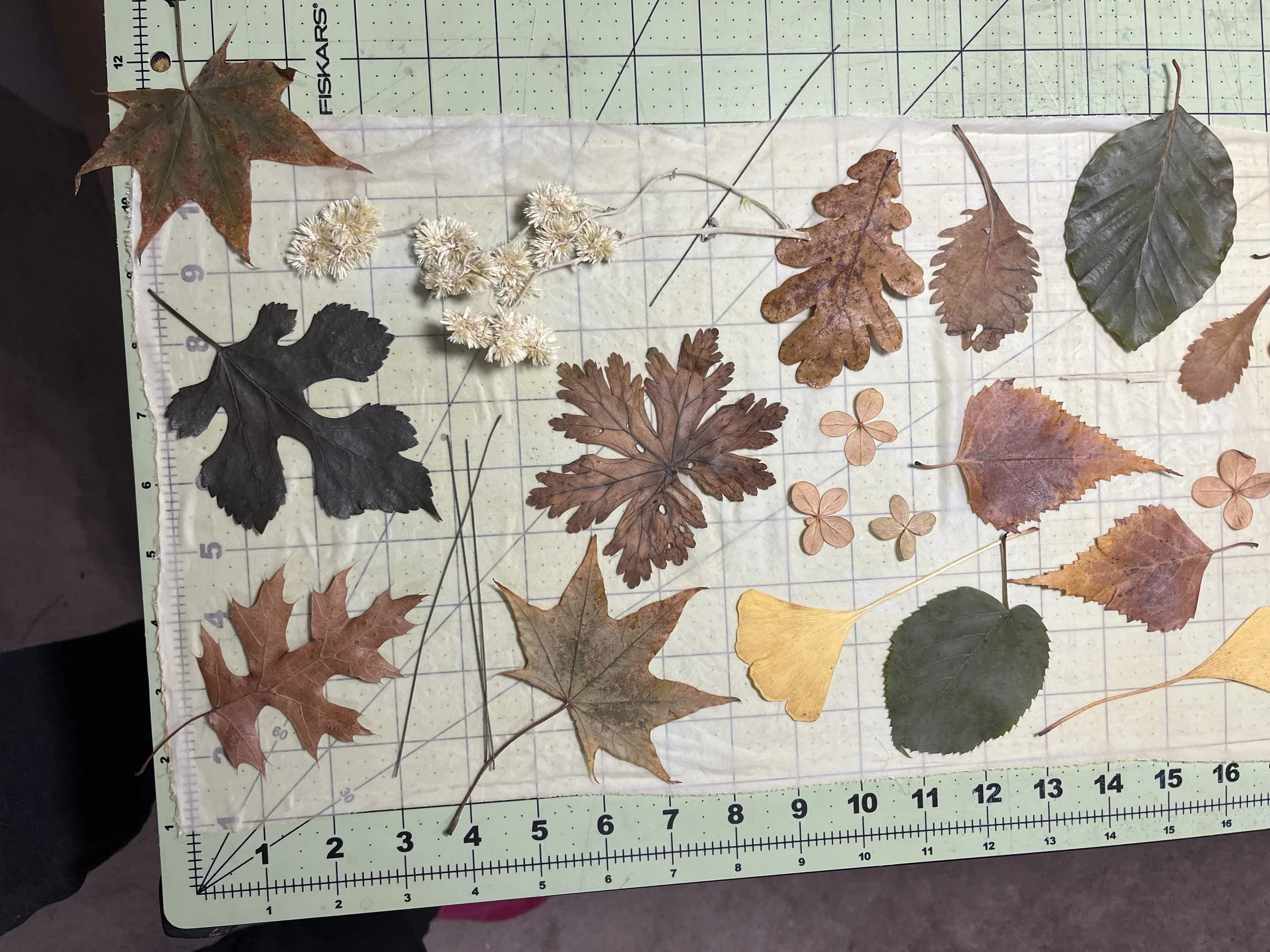
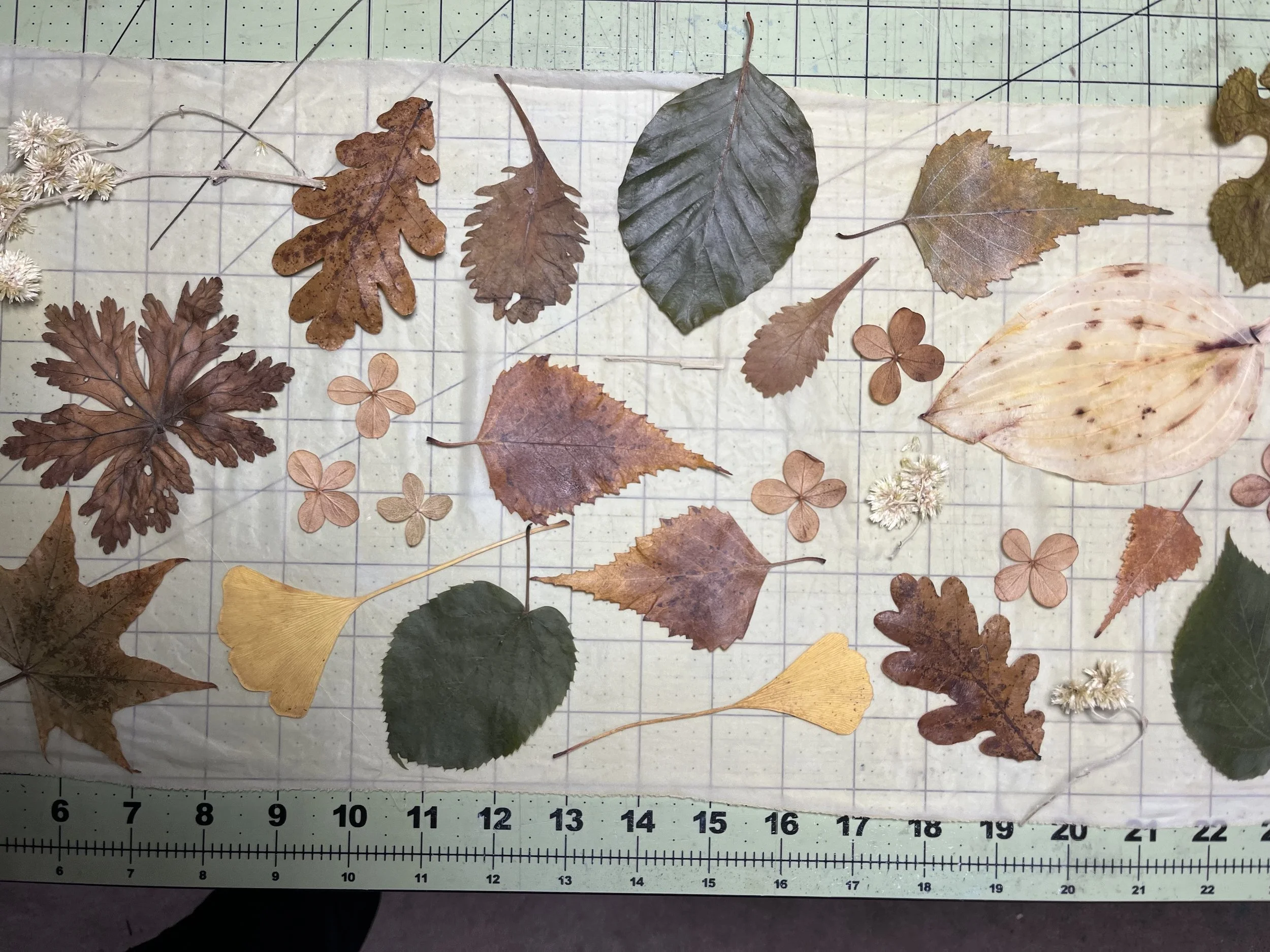
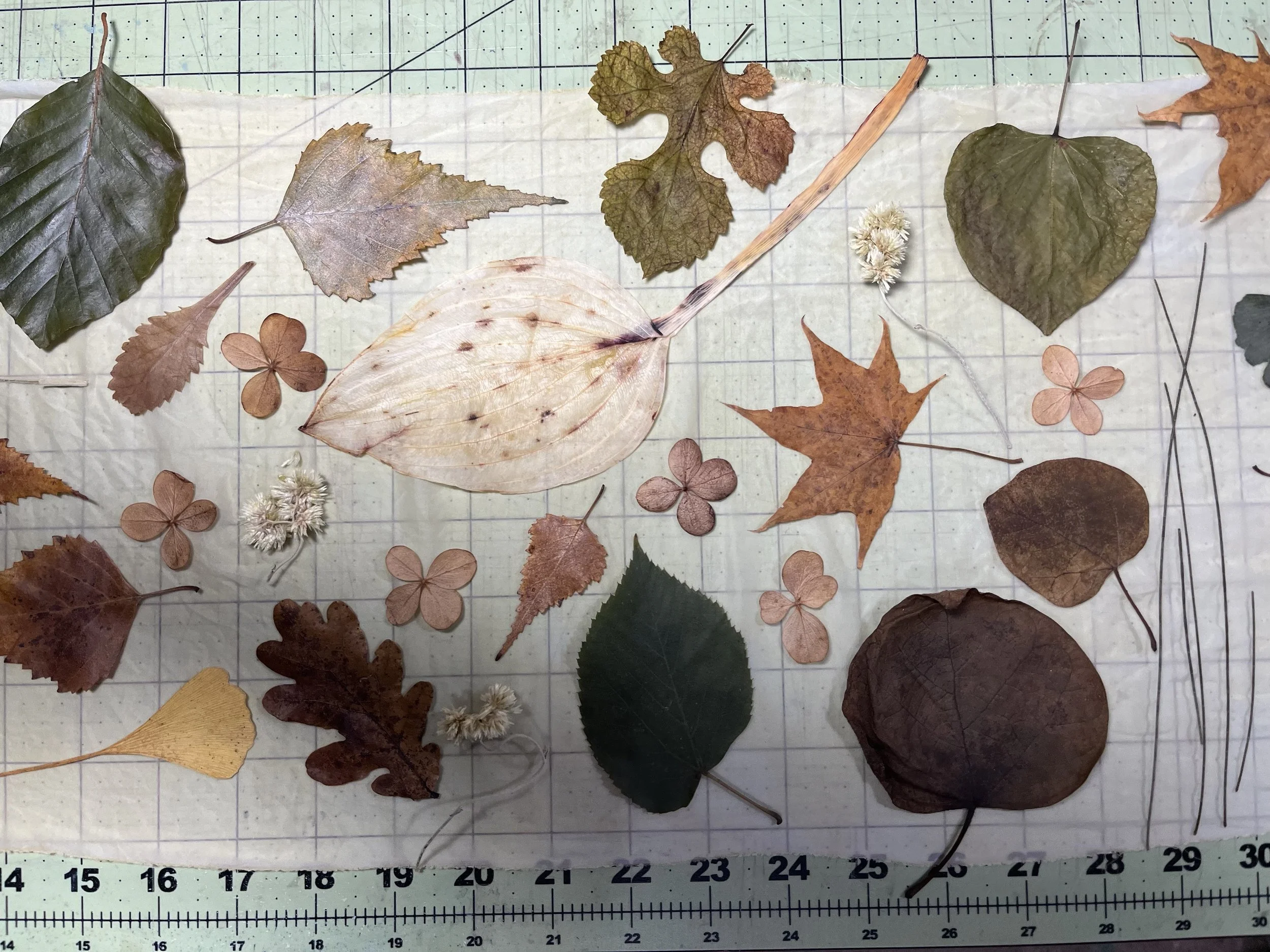
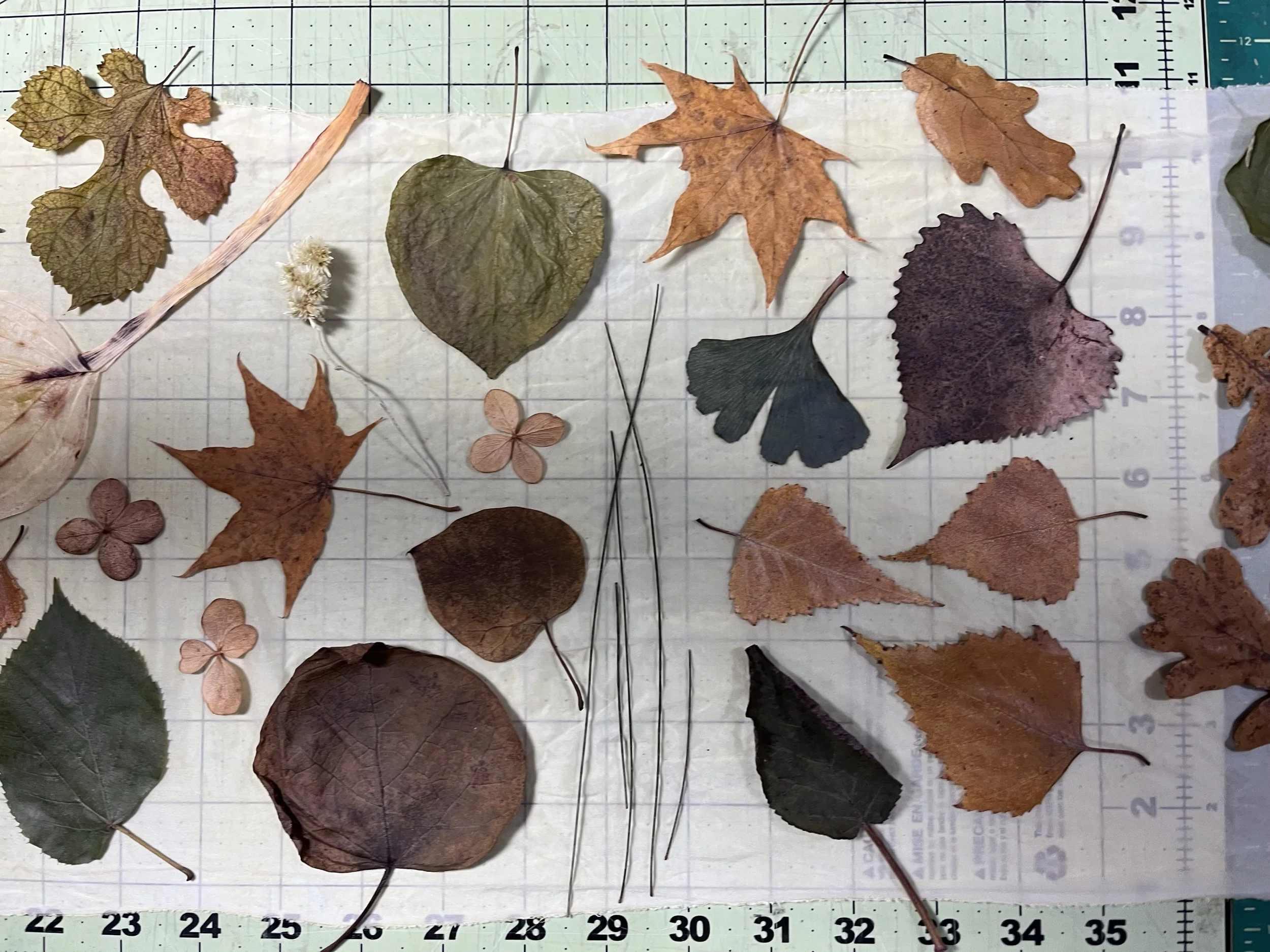
Acacia (Cutch) blanket
Five experiments:
Target: extra Alum, Blanket: Iron
Target: raw silk, extra Alum, Blanket: dye
Target: extra Alum, Blanket: dye + Iron
Target: extra Alum, Blanket: dye
Target: Iron mordant, Blanket: dye
Silk: Habotai 10mm
All silk is pre-mordanted with alum, traditional bath: 1 hour simmer. Extra Alum is applied cold, one hour soak.
Dye is Cutch
Alum is Aluminum sulphate Al2((SO₄)3
alum is Potassium Aluminum Sulfate KAl(SO₄)₂·12H₂O
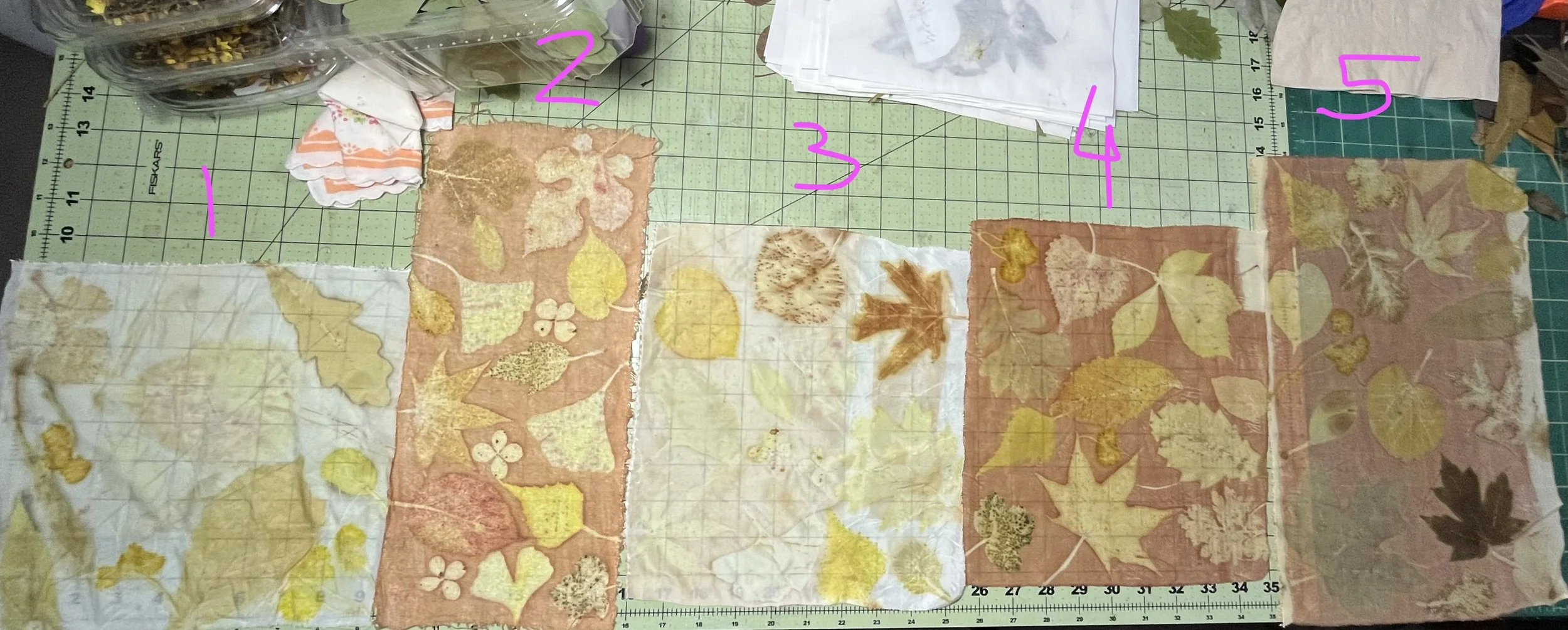
#1
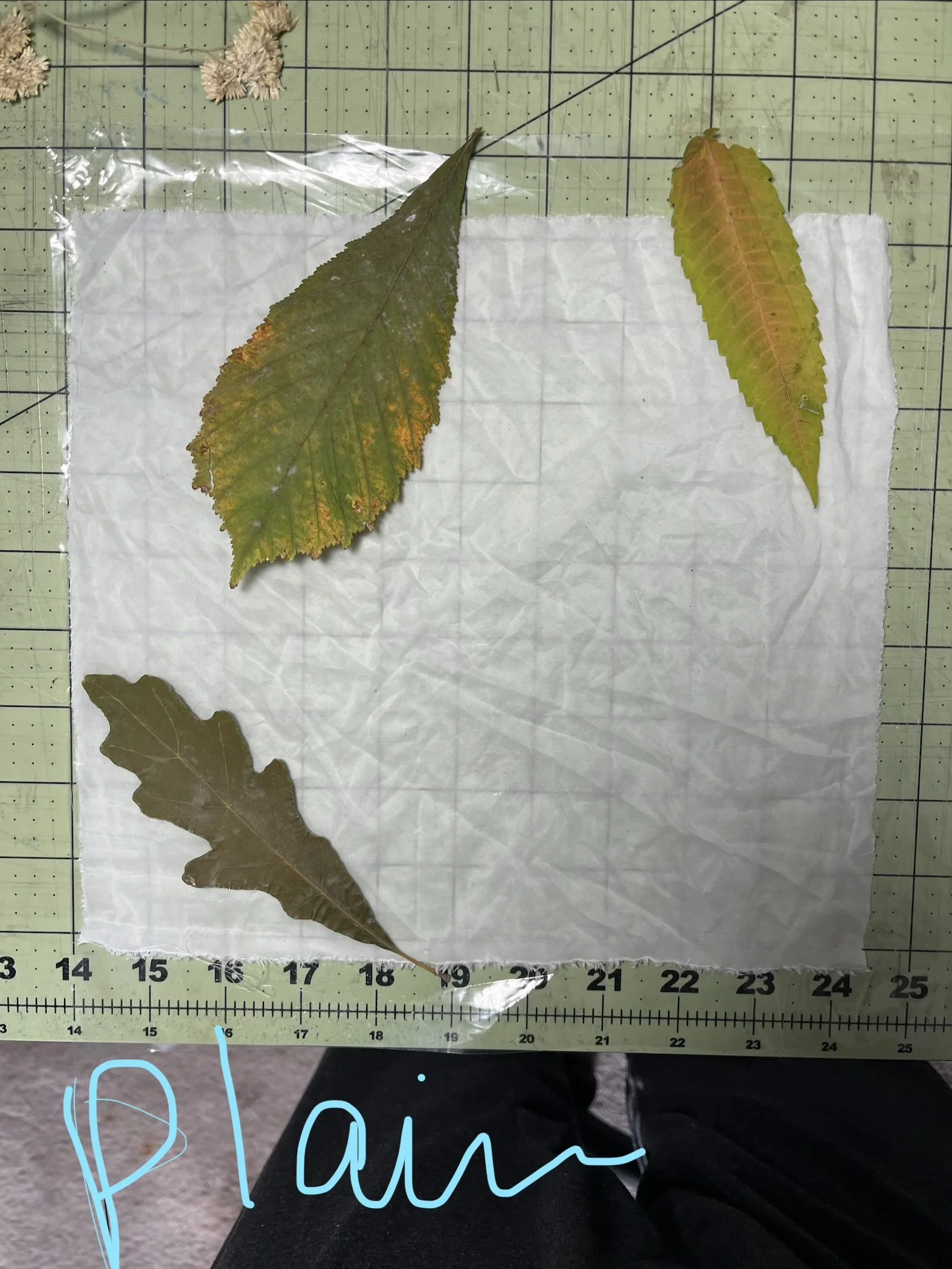
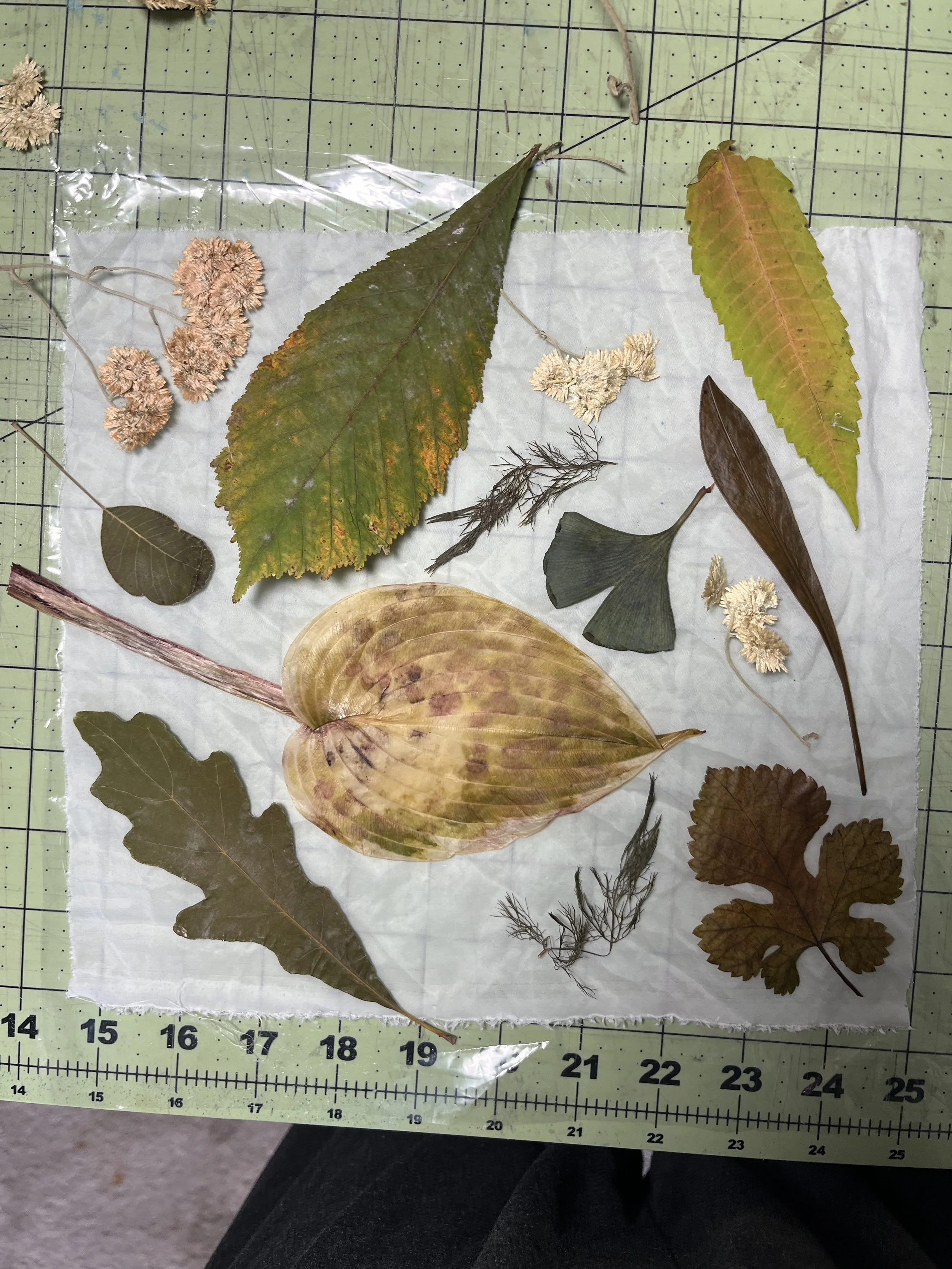
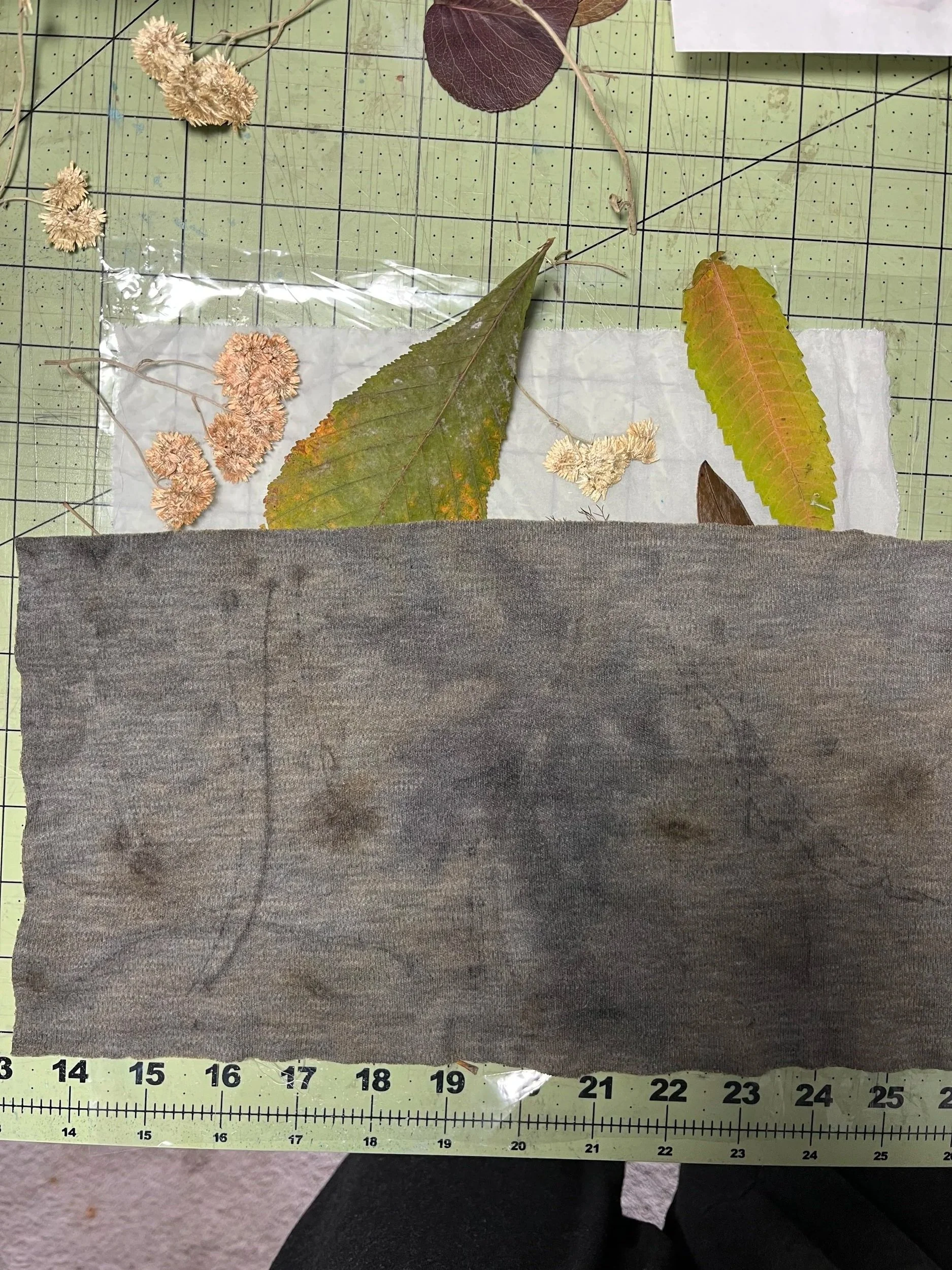
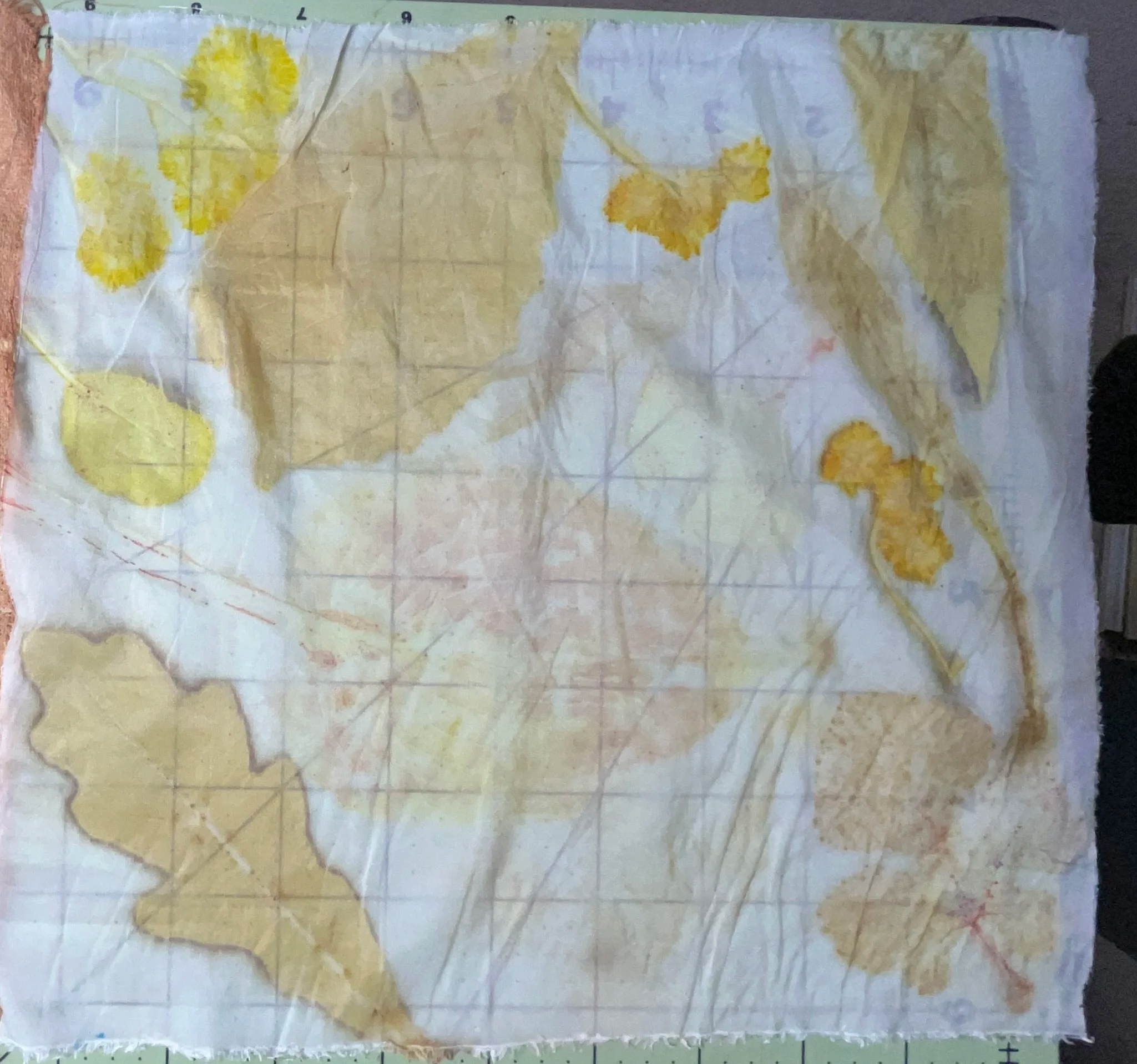
Some leaves are plain, the others are soaked in lac. Iron blanket jersey cotton. The result is poor. Jersey fabric may be a problem in the blanket.
#2
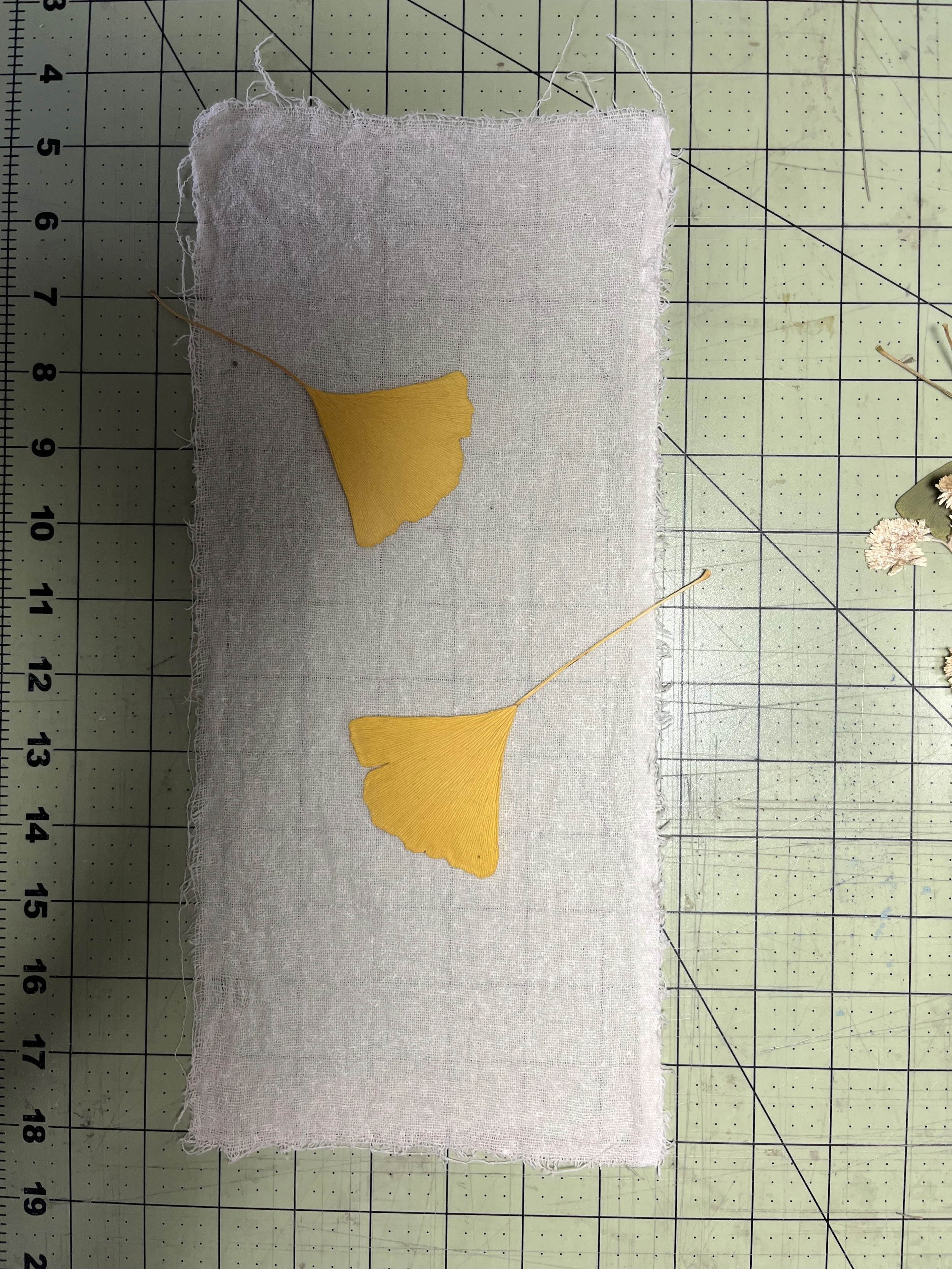
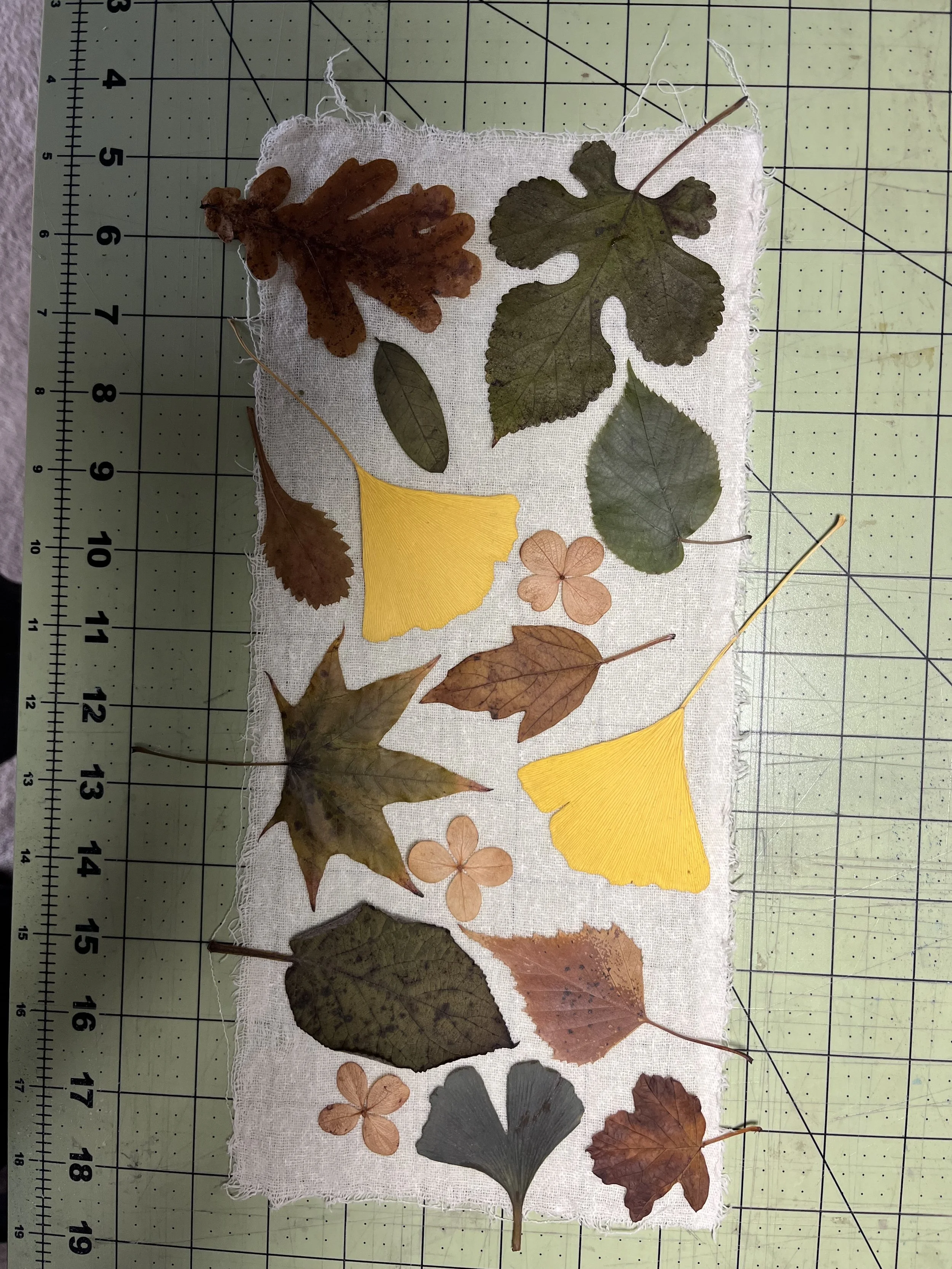
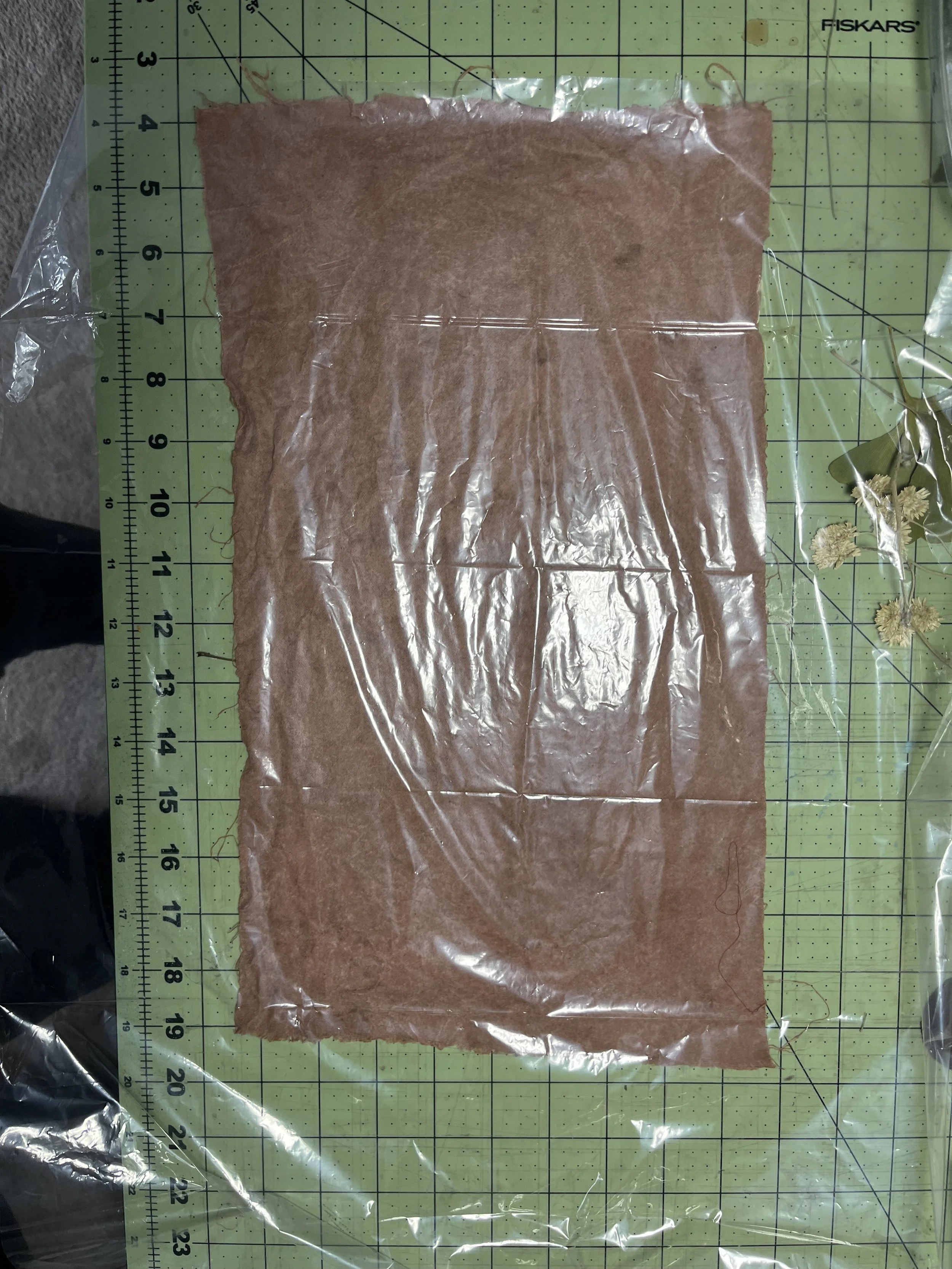
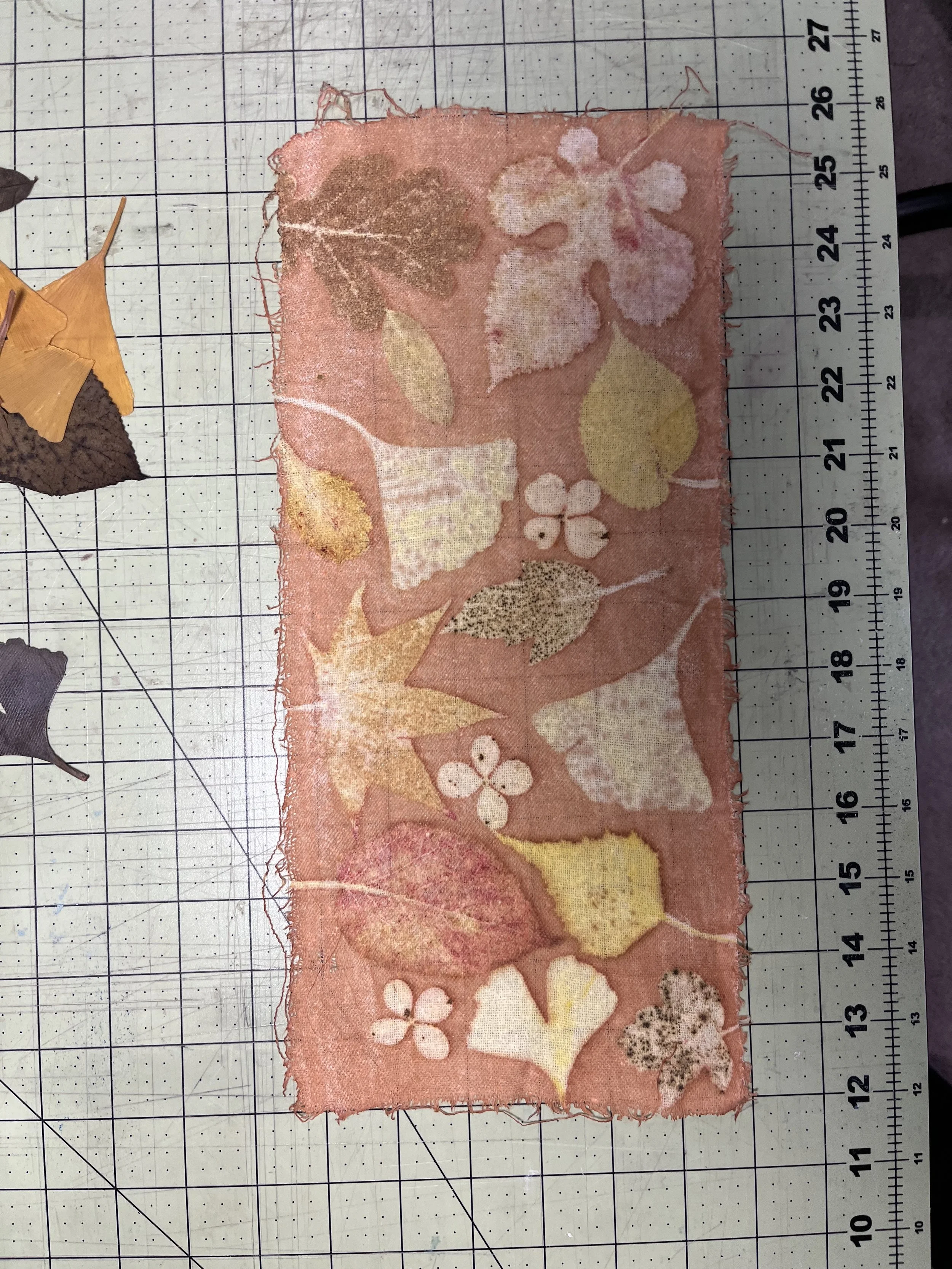
Two first leaves are plain, the others are soaked in lac. Cutch blanket thick flannel cotton. The result is good: thick flannel cotton is better blanket.
#3
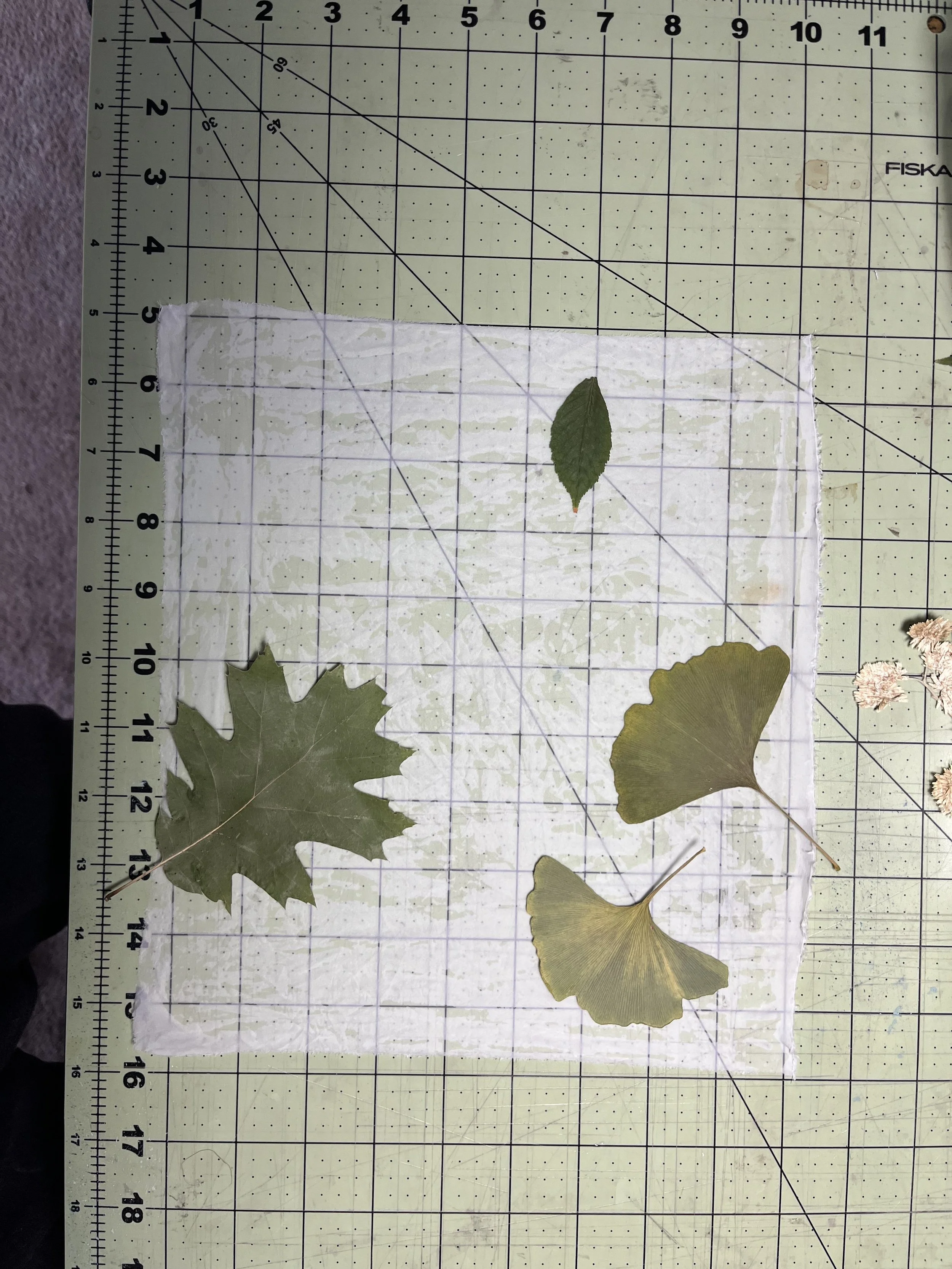
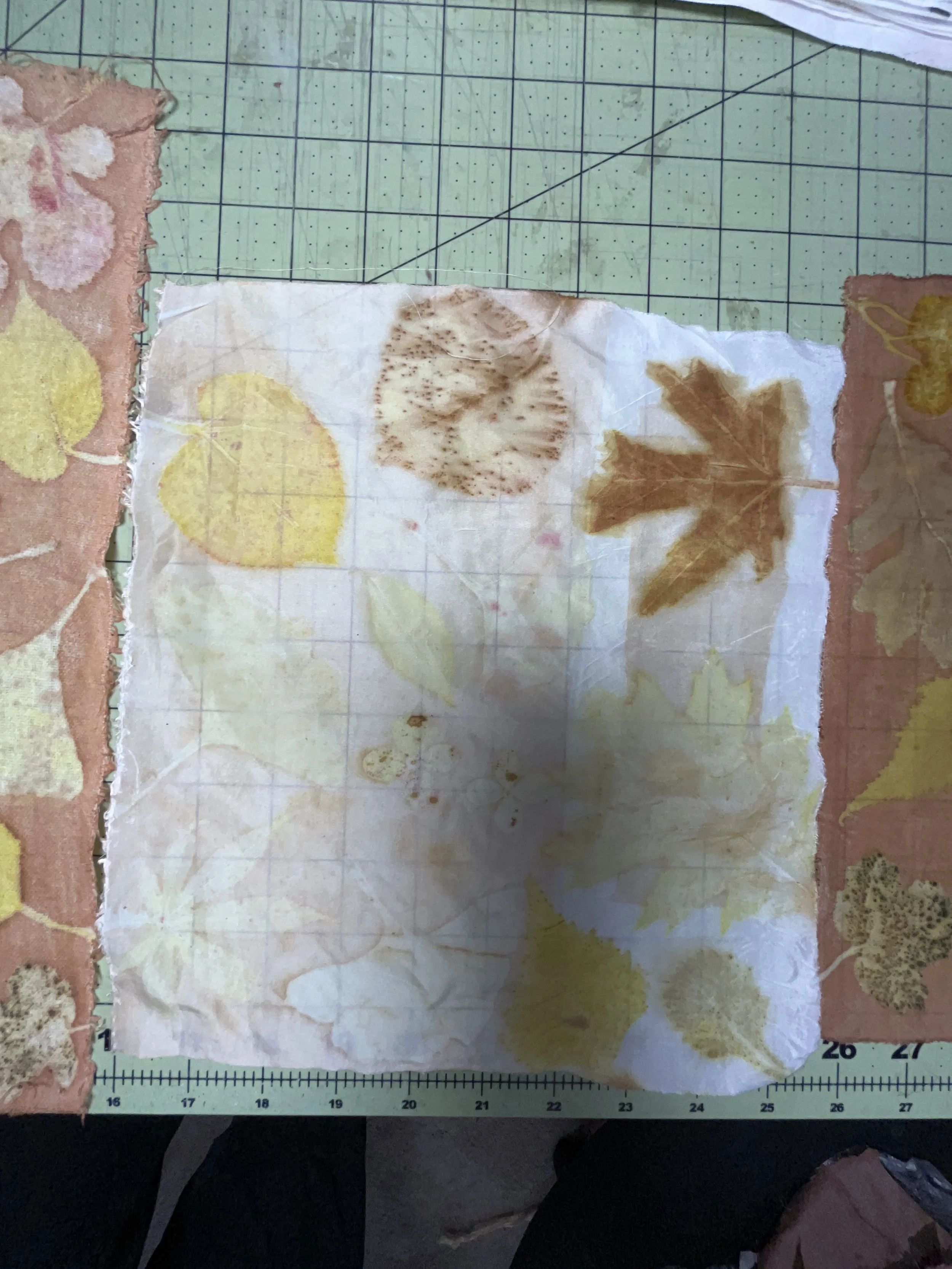
First leaves are plain, the others are soaked in lac. Iron + dye blanket flannel sheet cotton (or jersey, not sure). The result is poor. Flannel sheet fabric or jersey may be a problem in the blanket.
#4
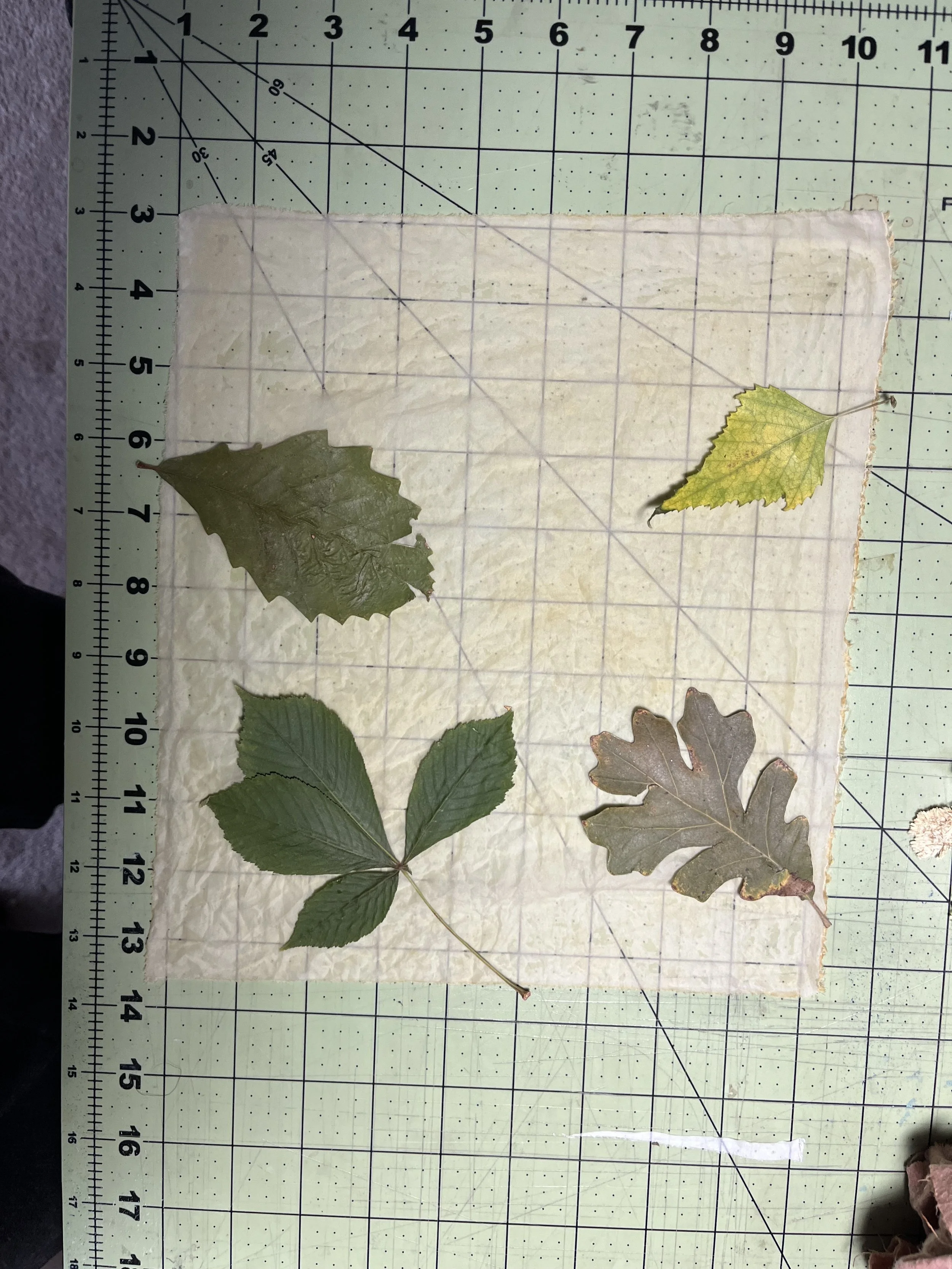
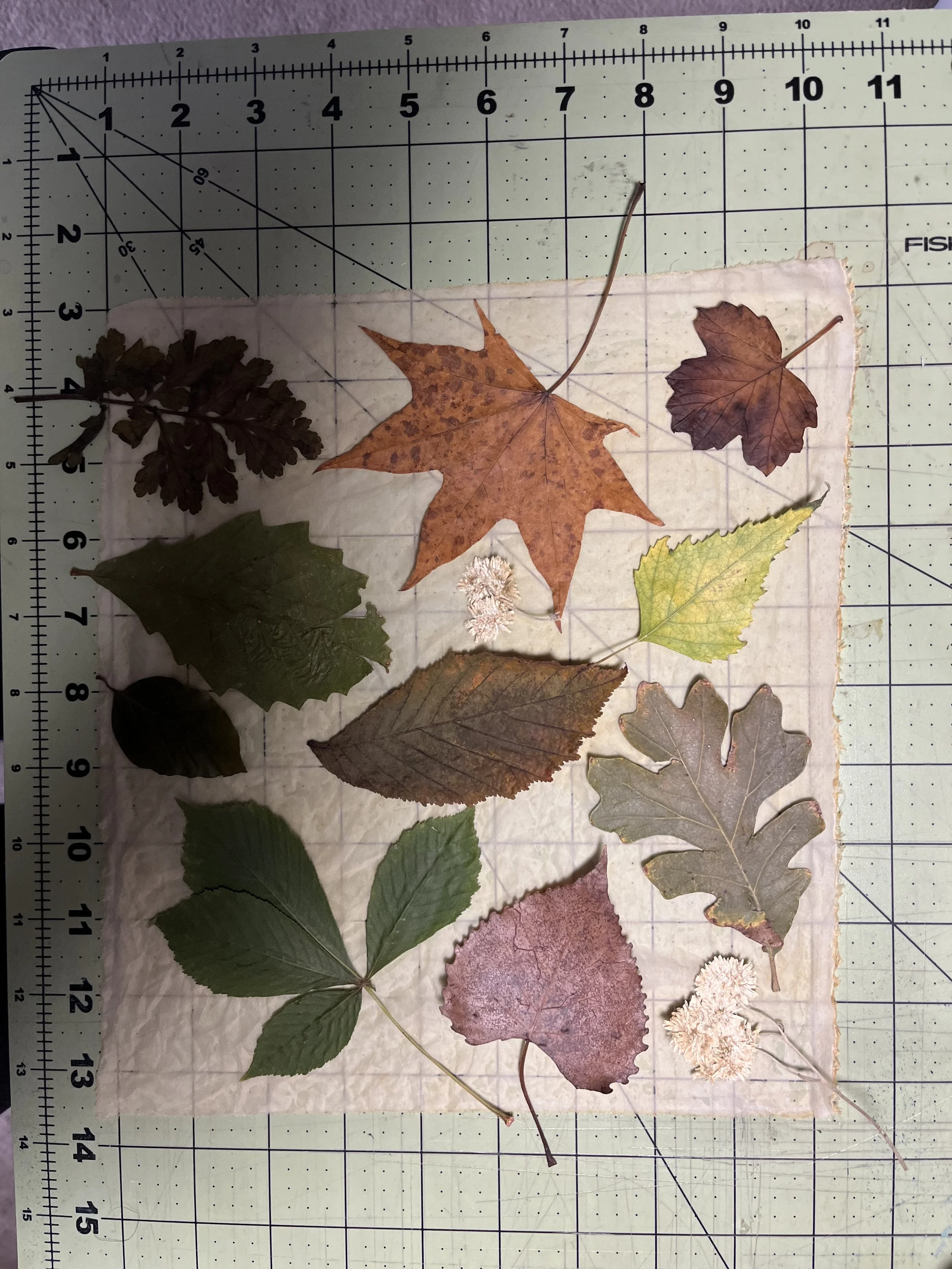
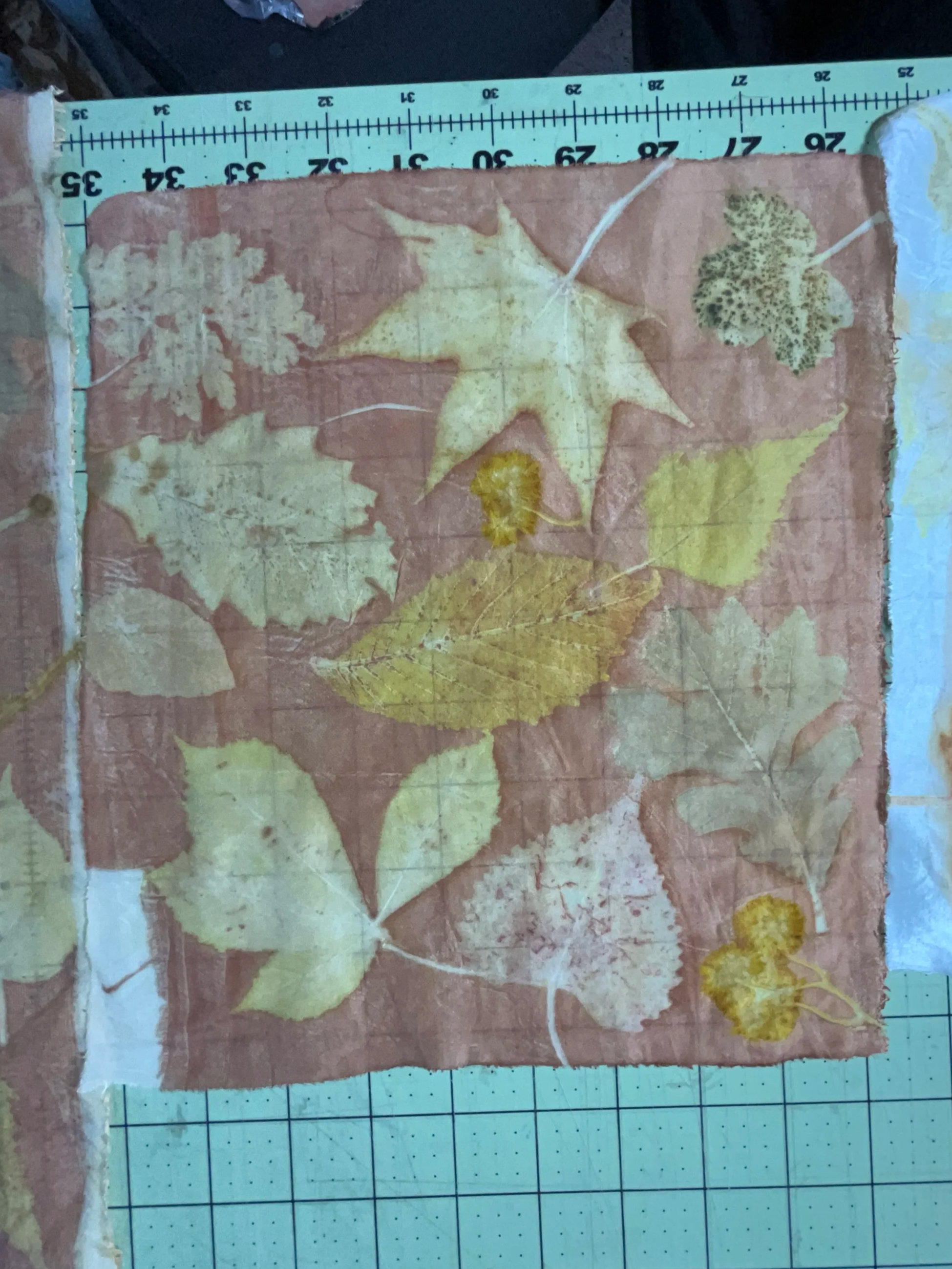
First leaves are plain, the others are soaked in lac. Cutch blanket thick flannel cotton. The result is good: thick flannel cotton is better blanket.
#5
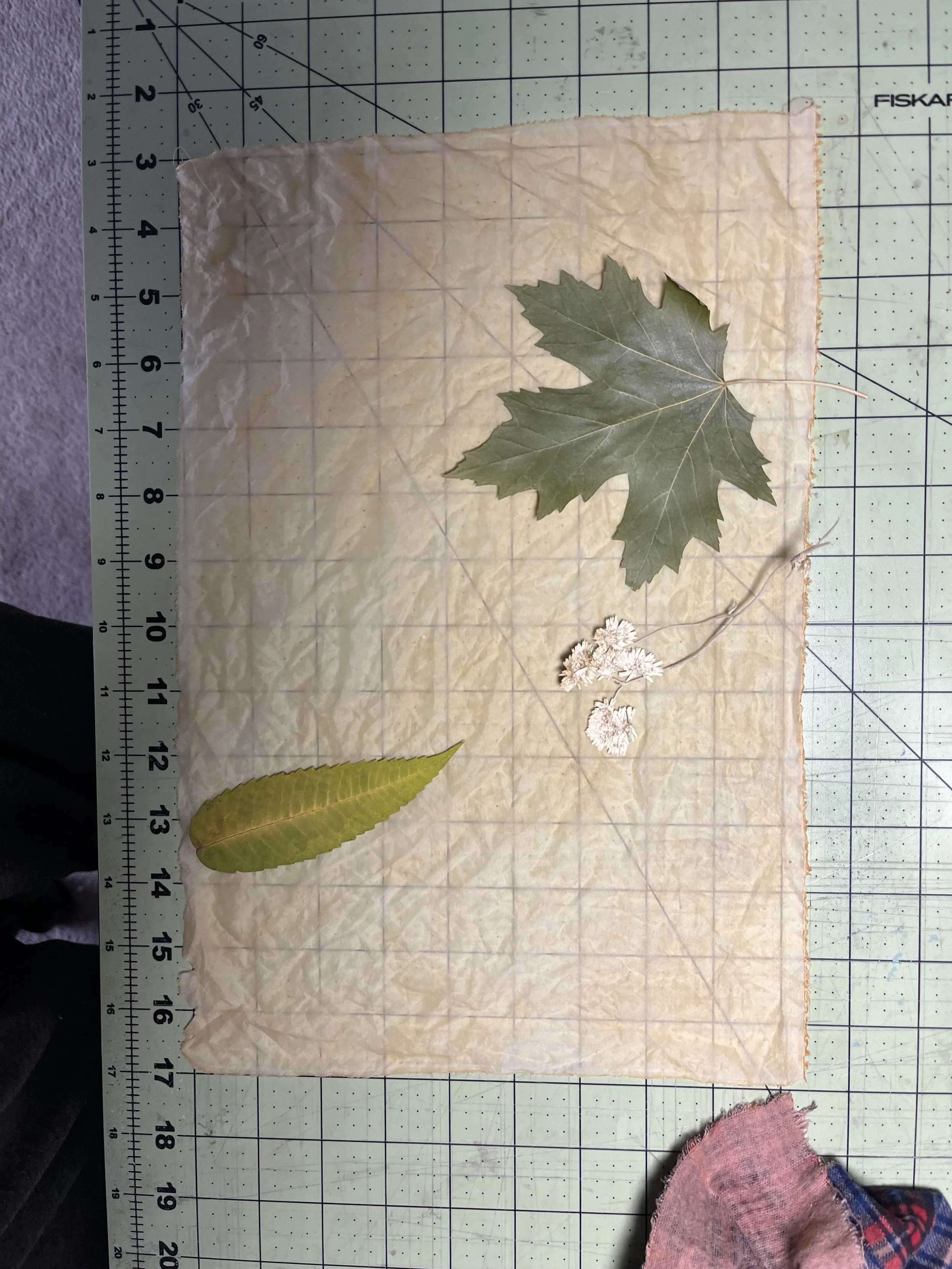
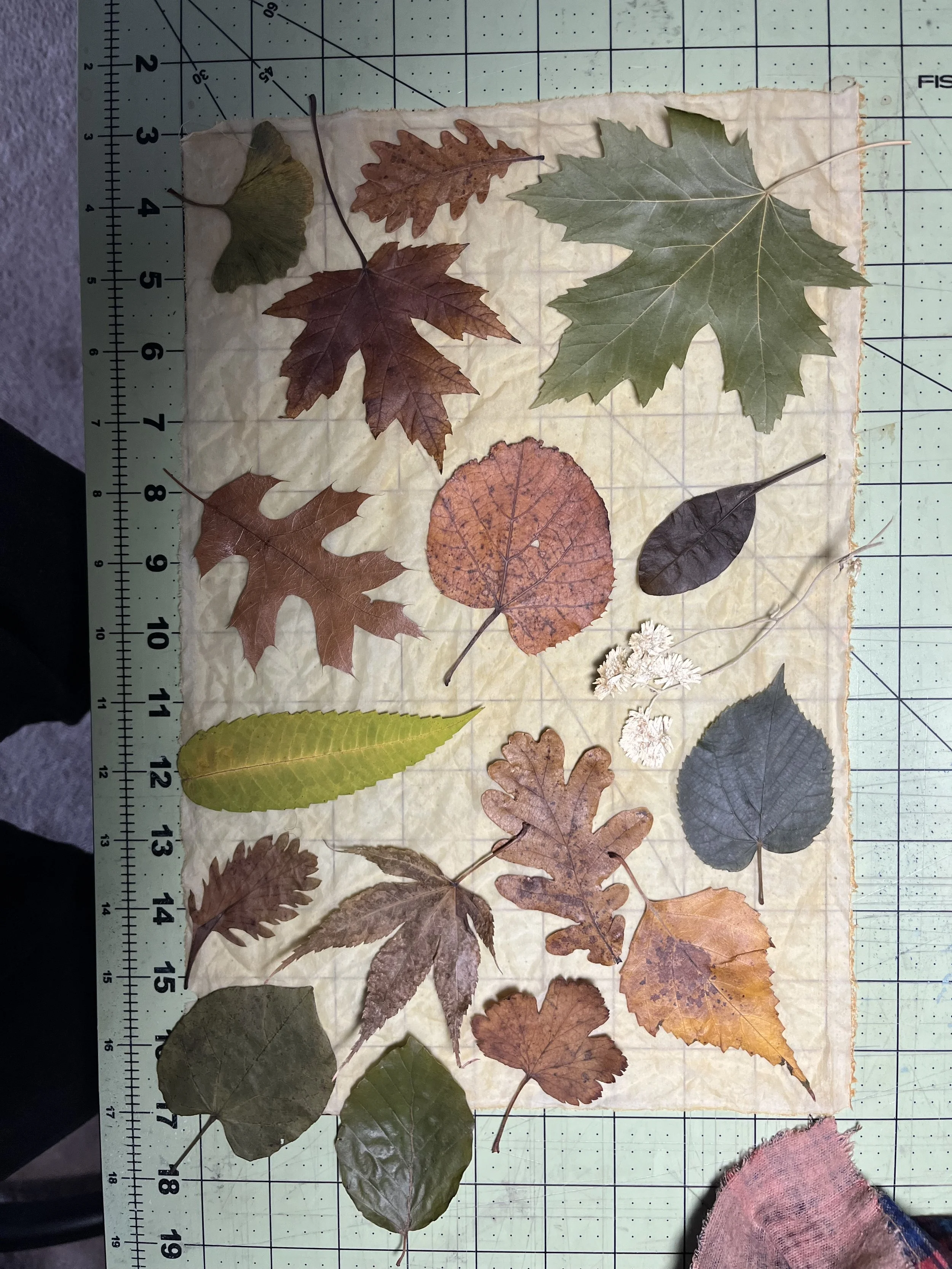
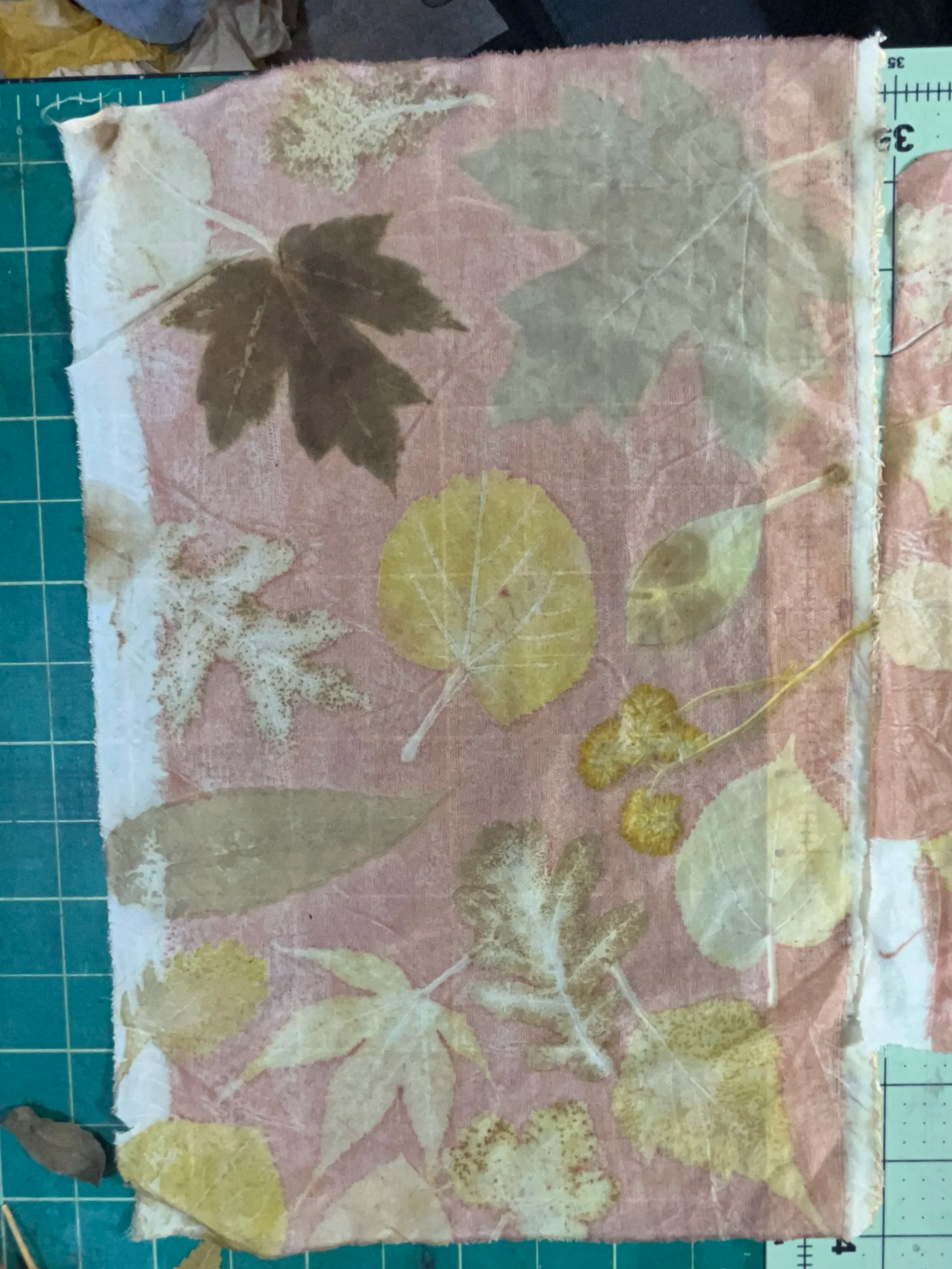
First leaves are plain, the others are soaked in lac. Dye blanket flannel sheet cotton. The result is okay. Flannel sheet fabric is better than jersey but worse than thick flannel.
Conclusion:
Blanket material is a variable that needs more research. Soaking leaves in dye does not make much difference.
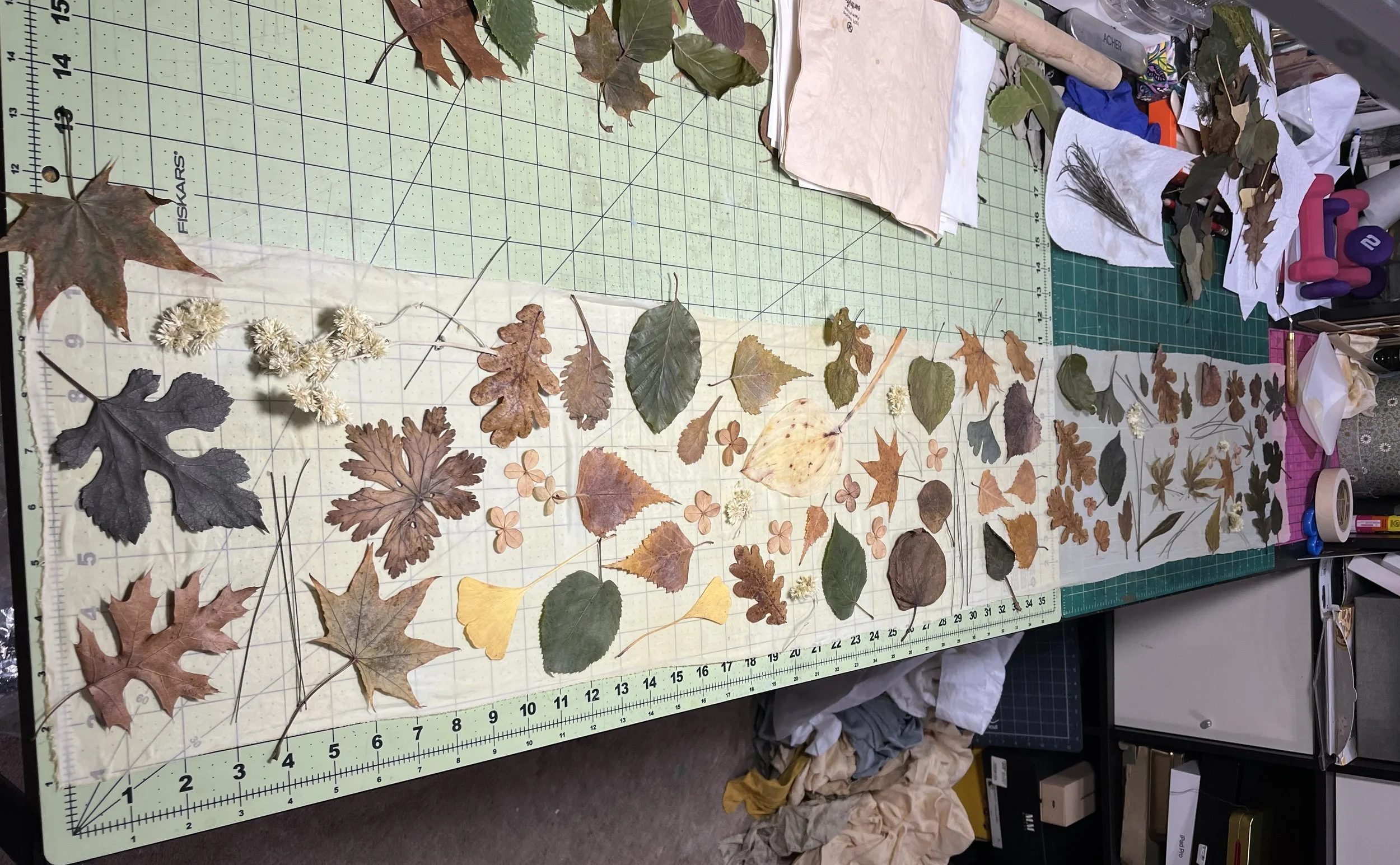
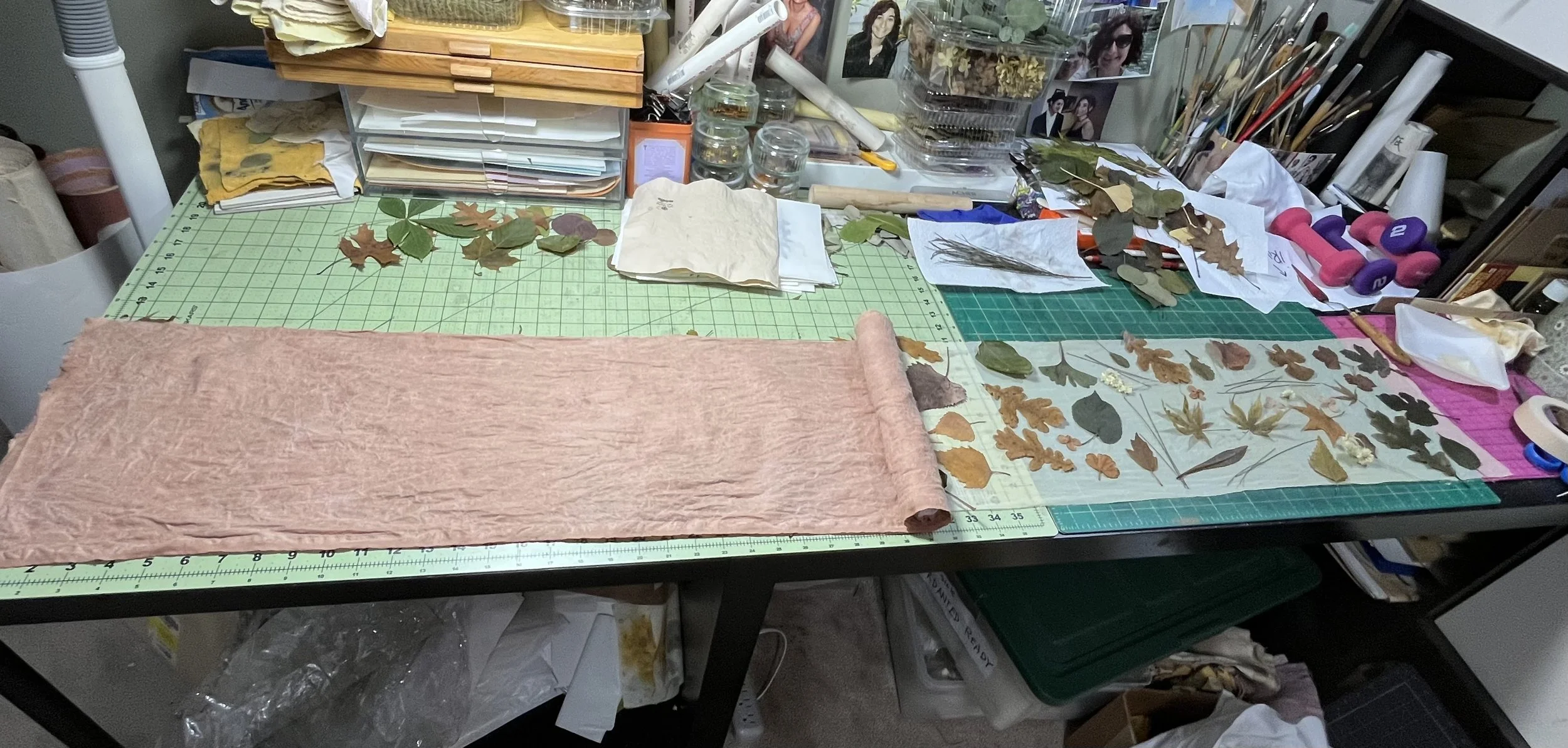
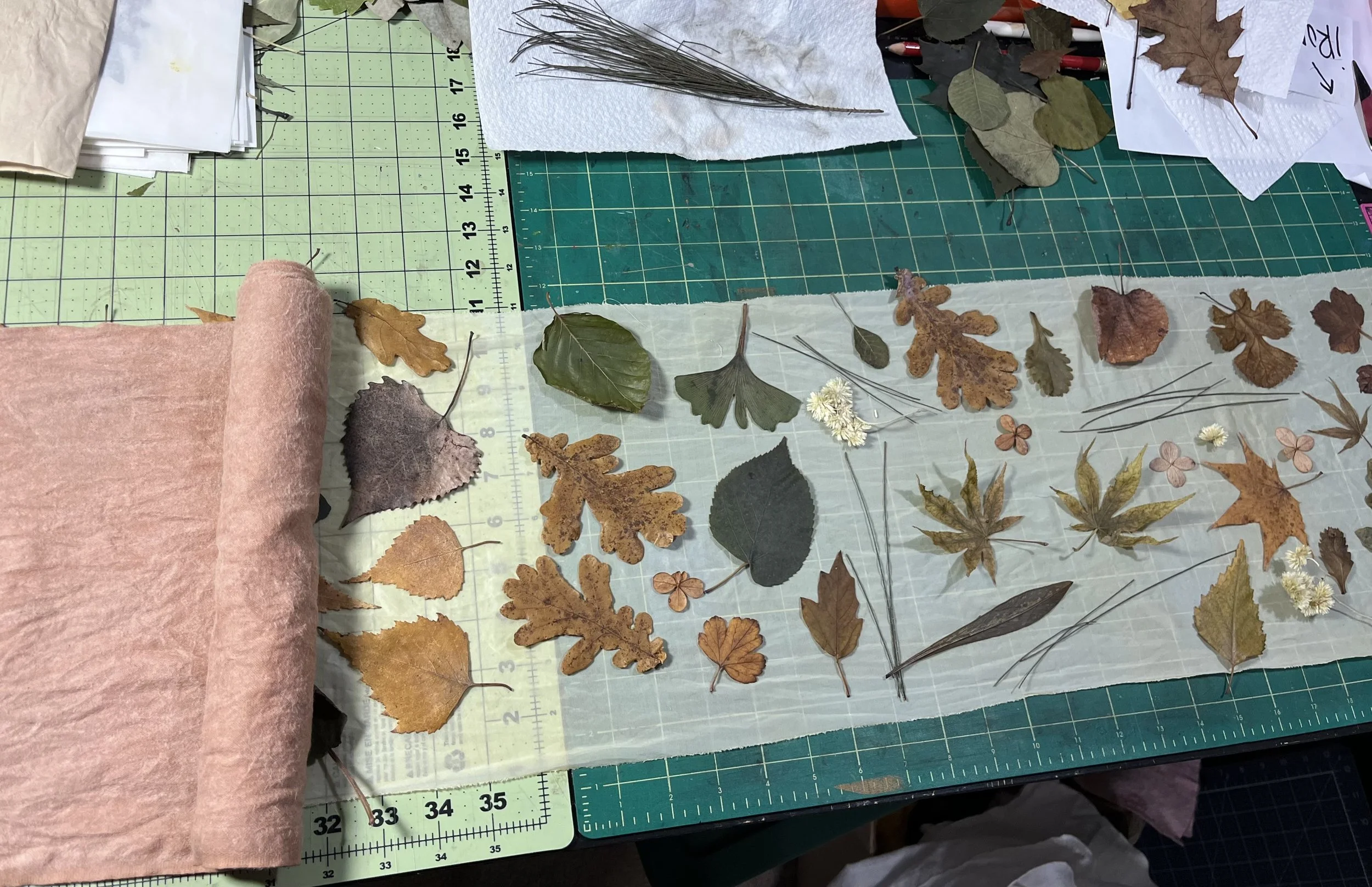
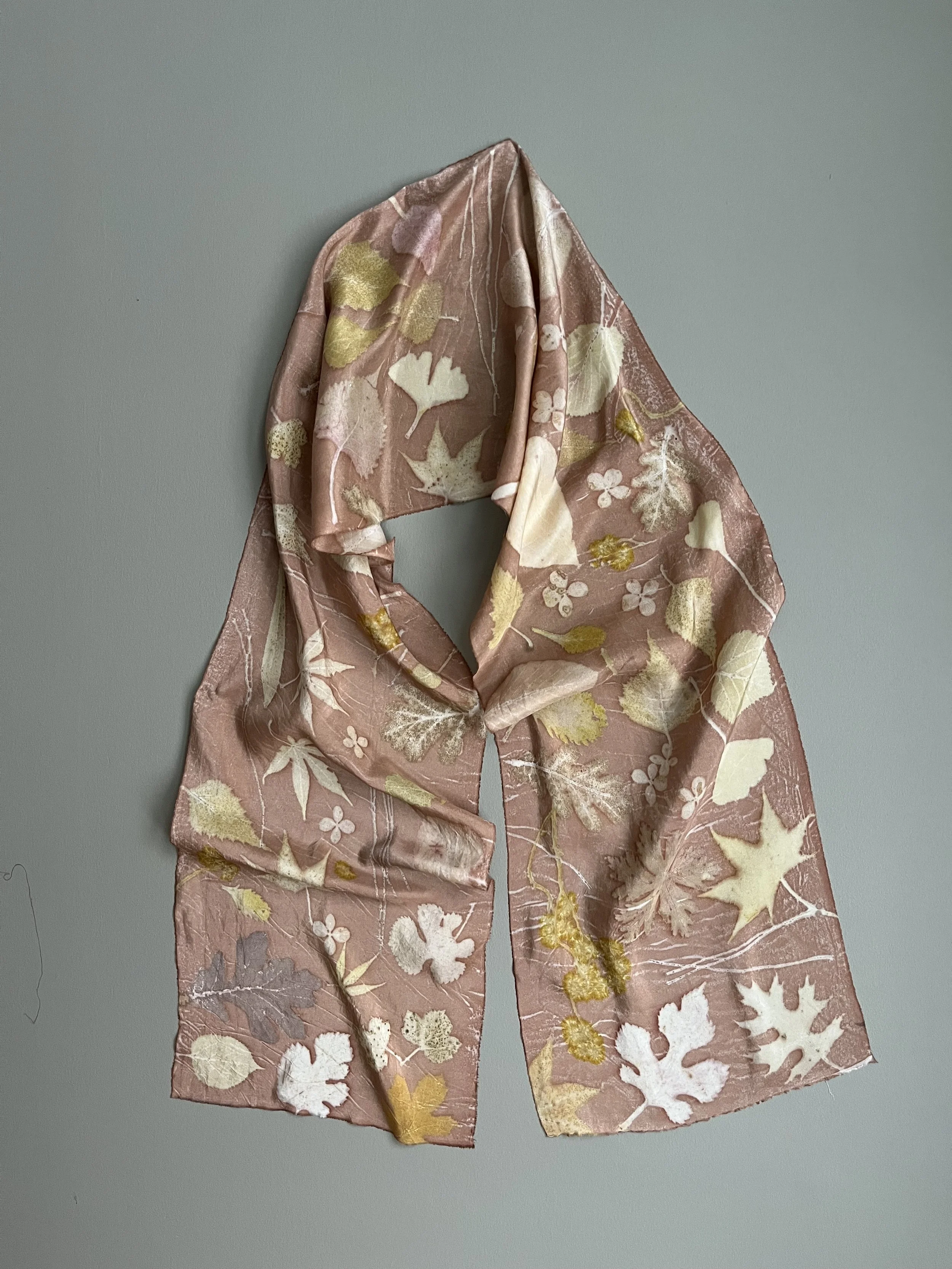
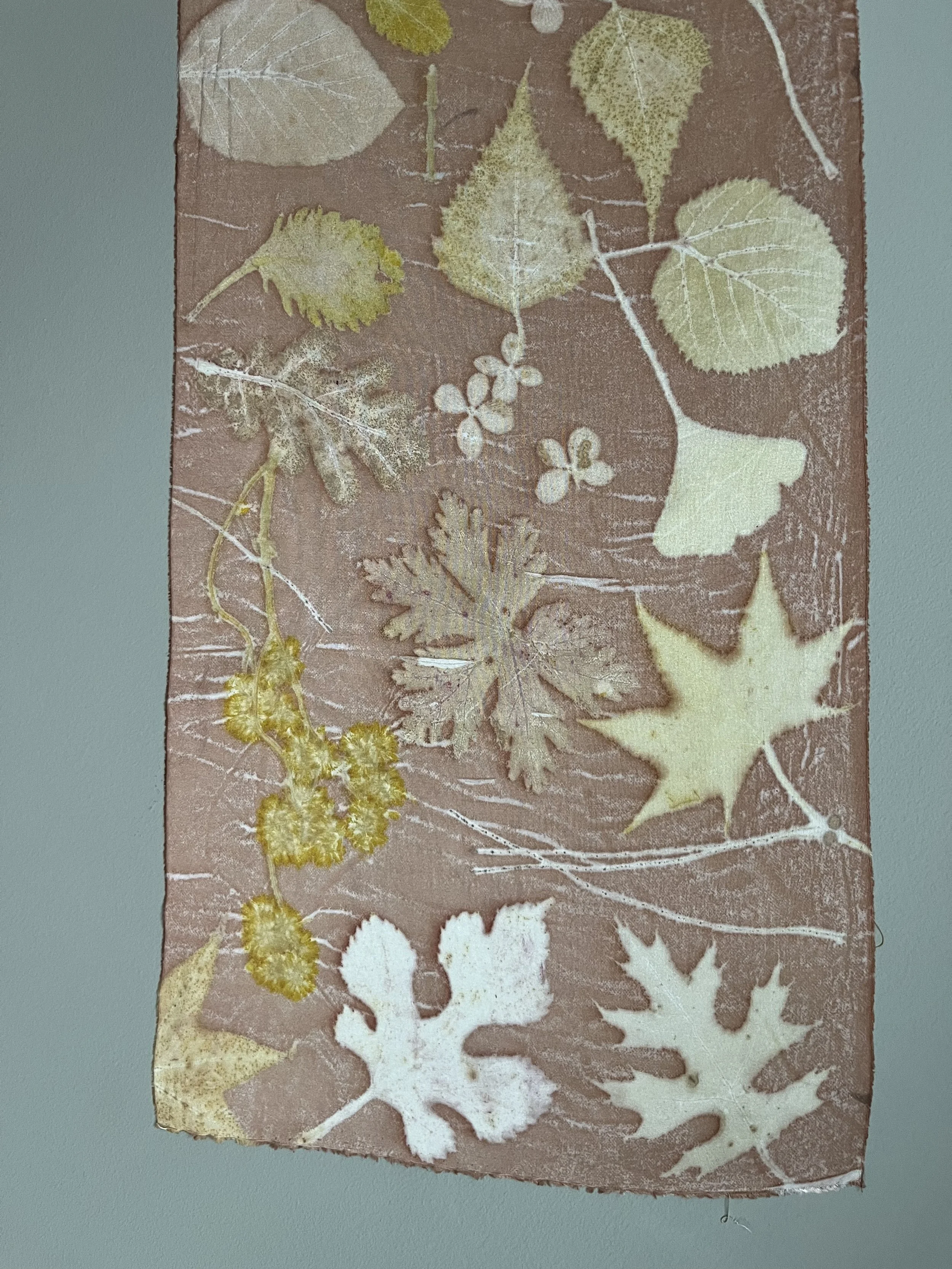
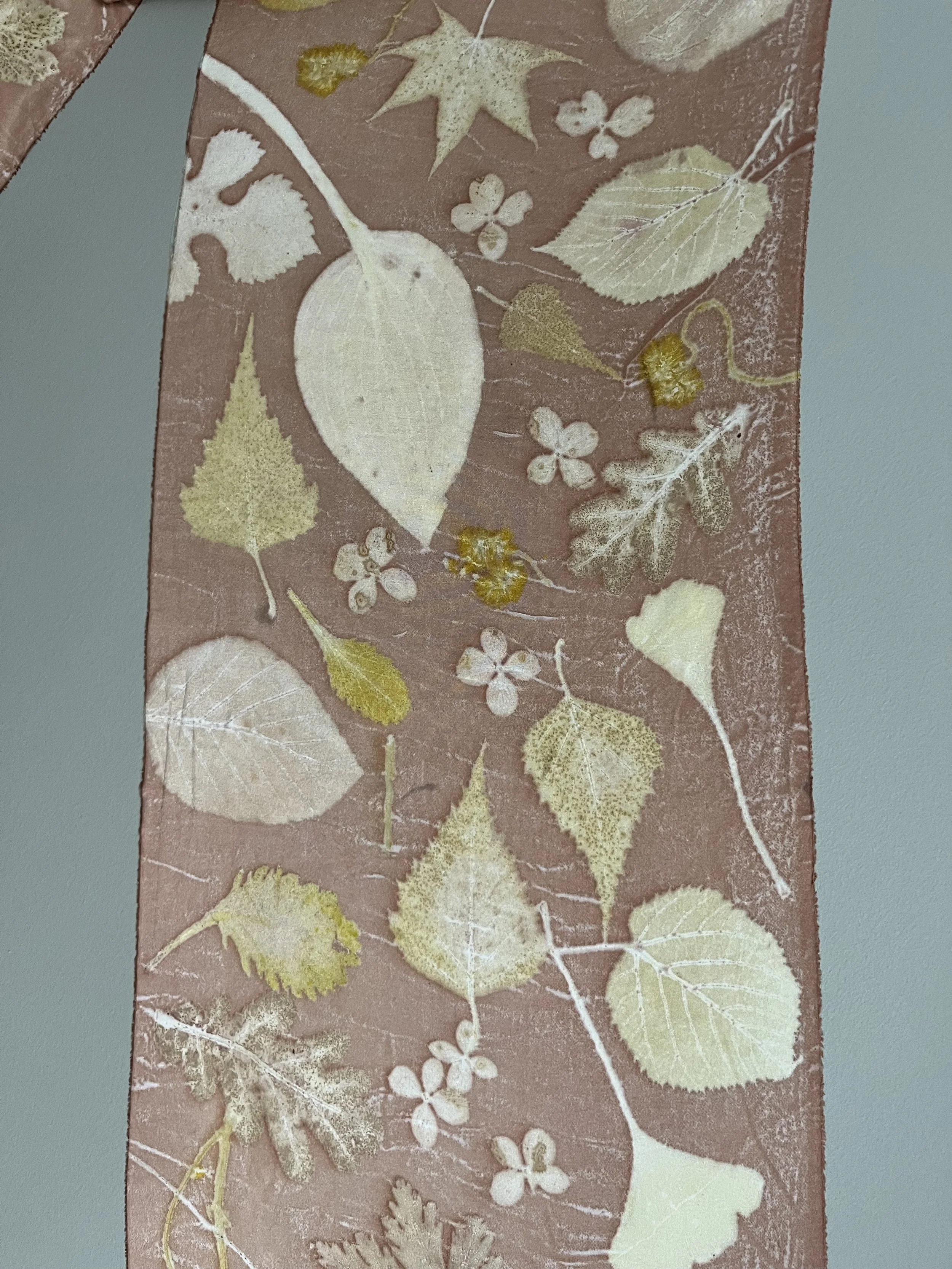
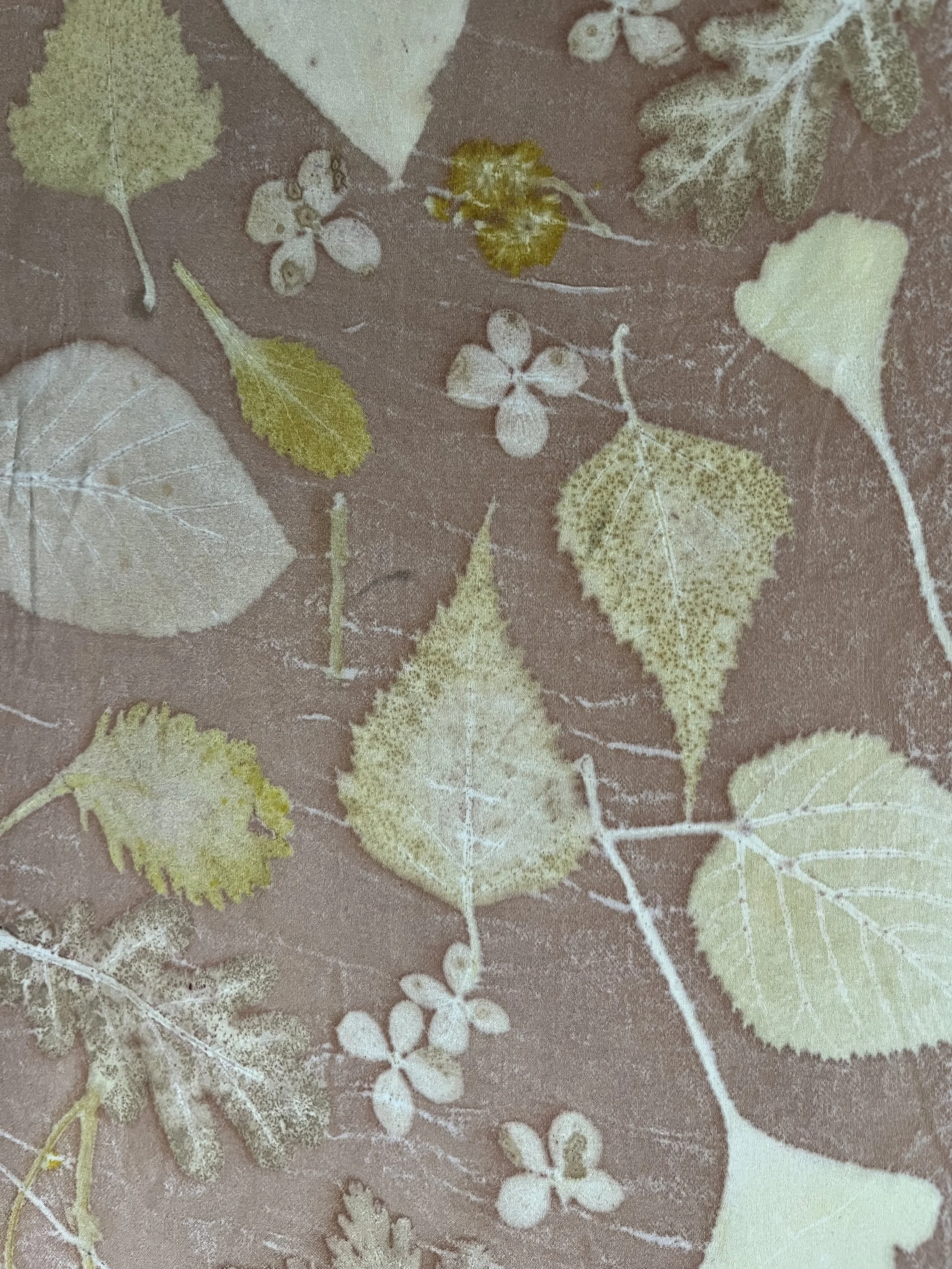
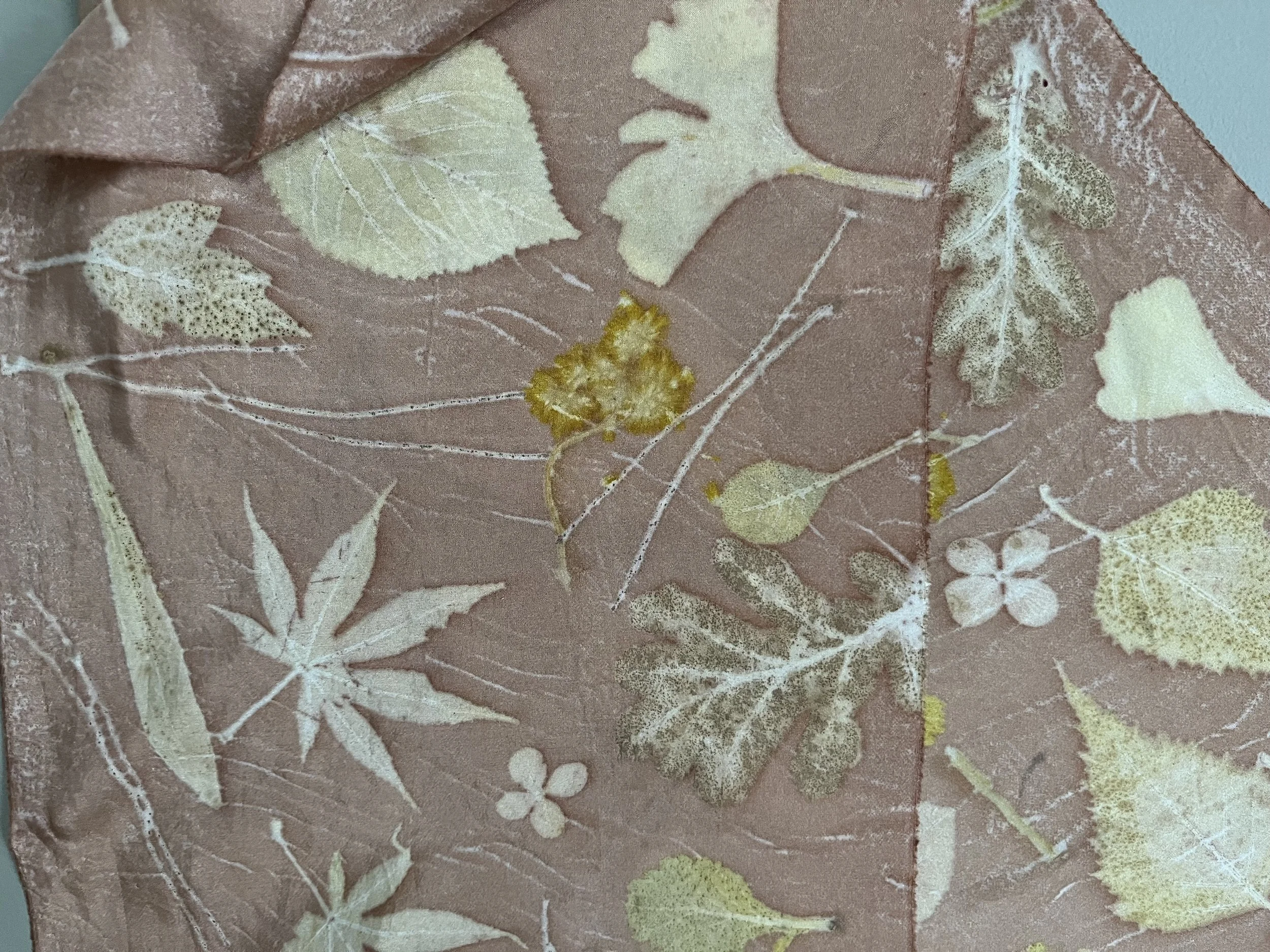
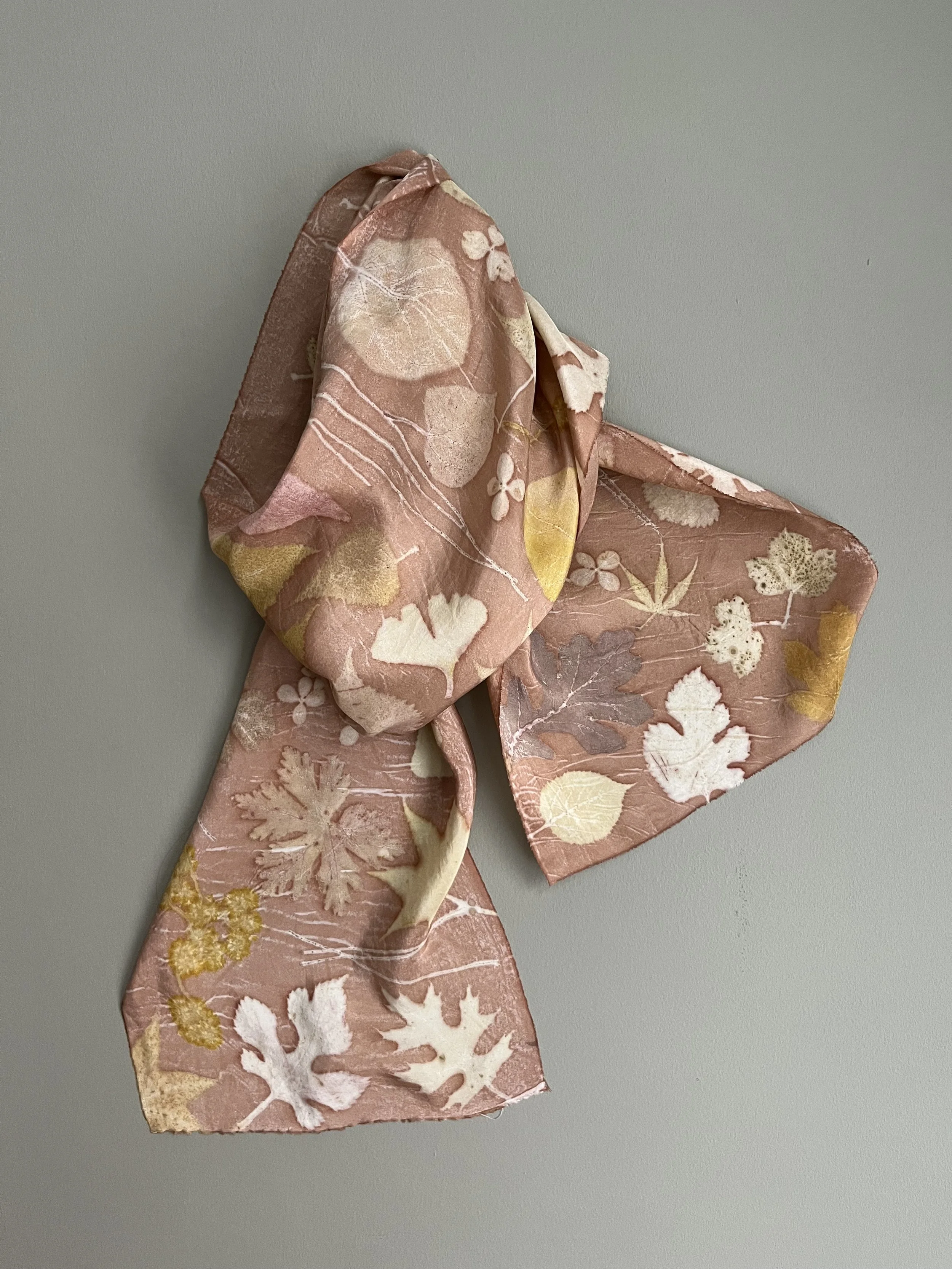
Scarf: Silk Habotai 10mm. Blanket: Thick flannel, Cutch dye
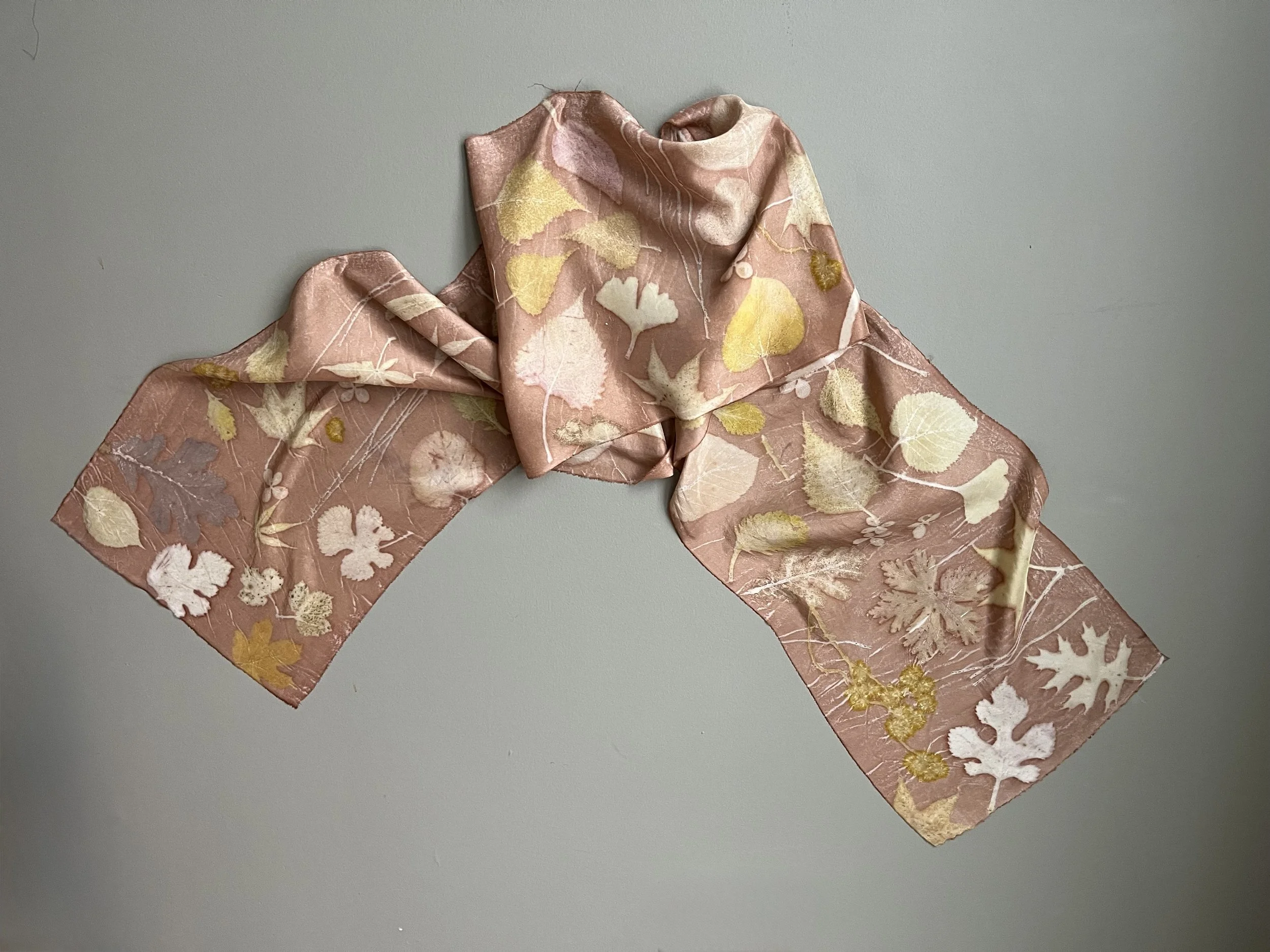
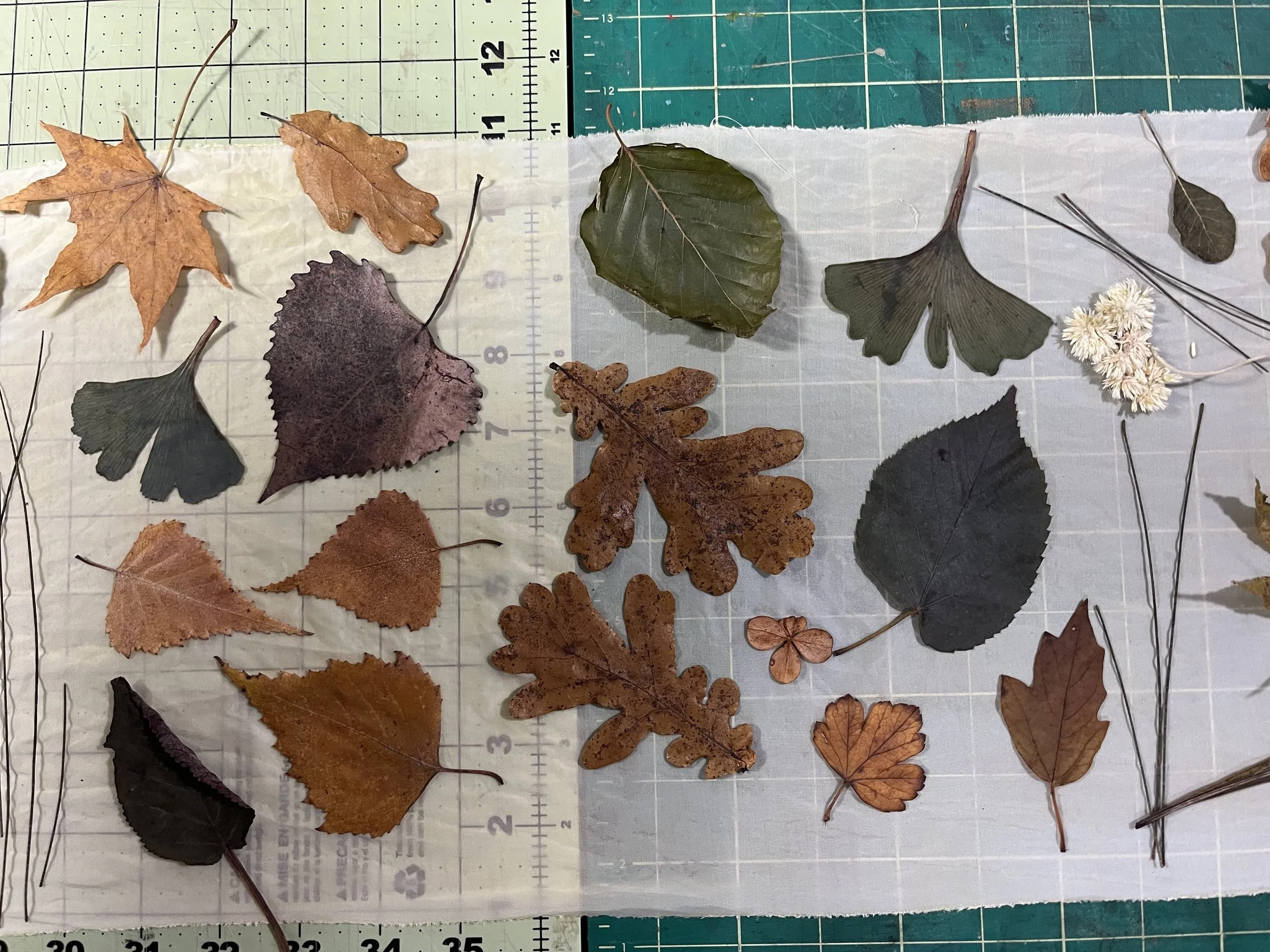
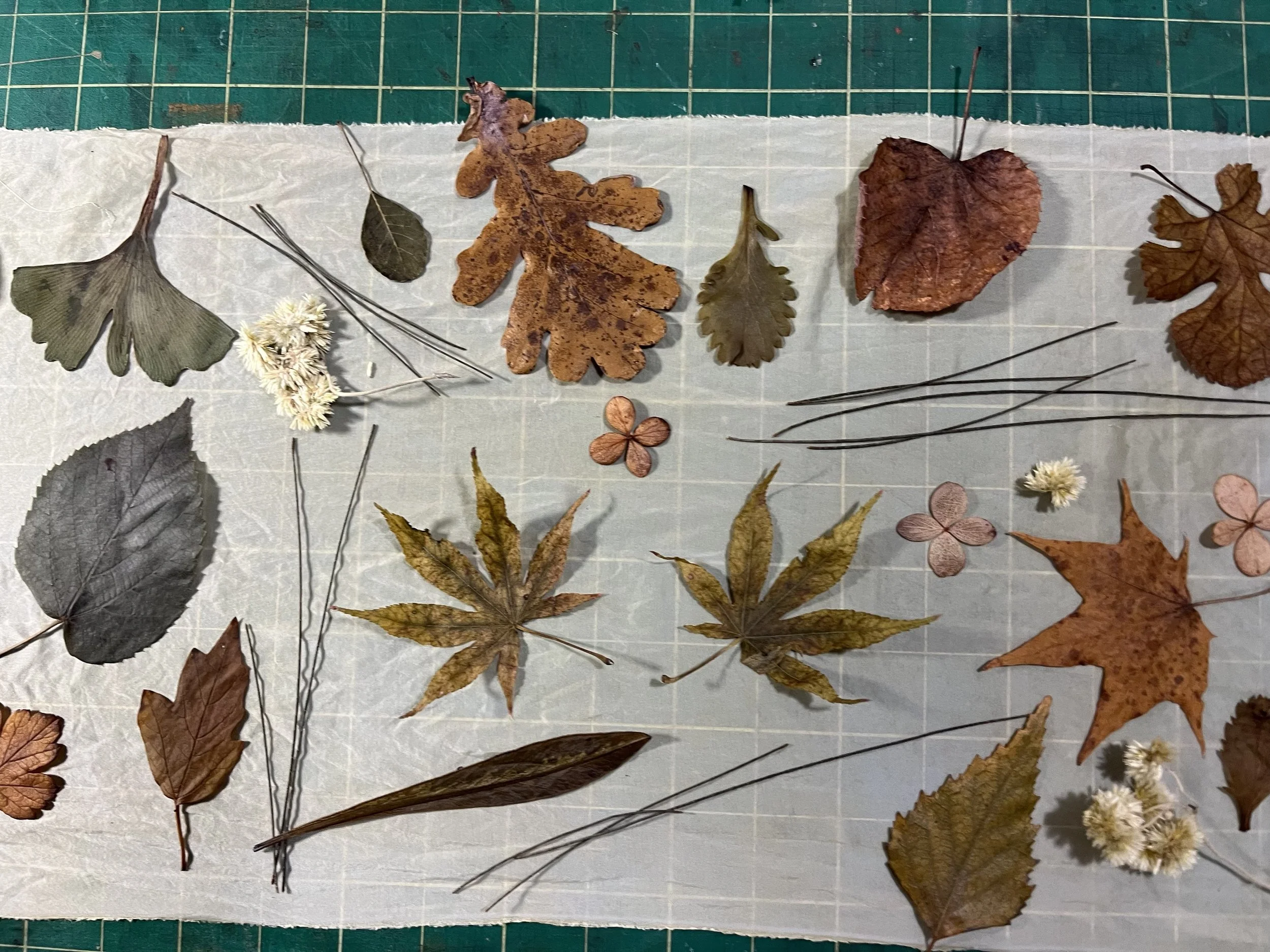
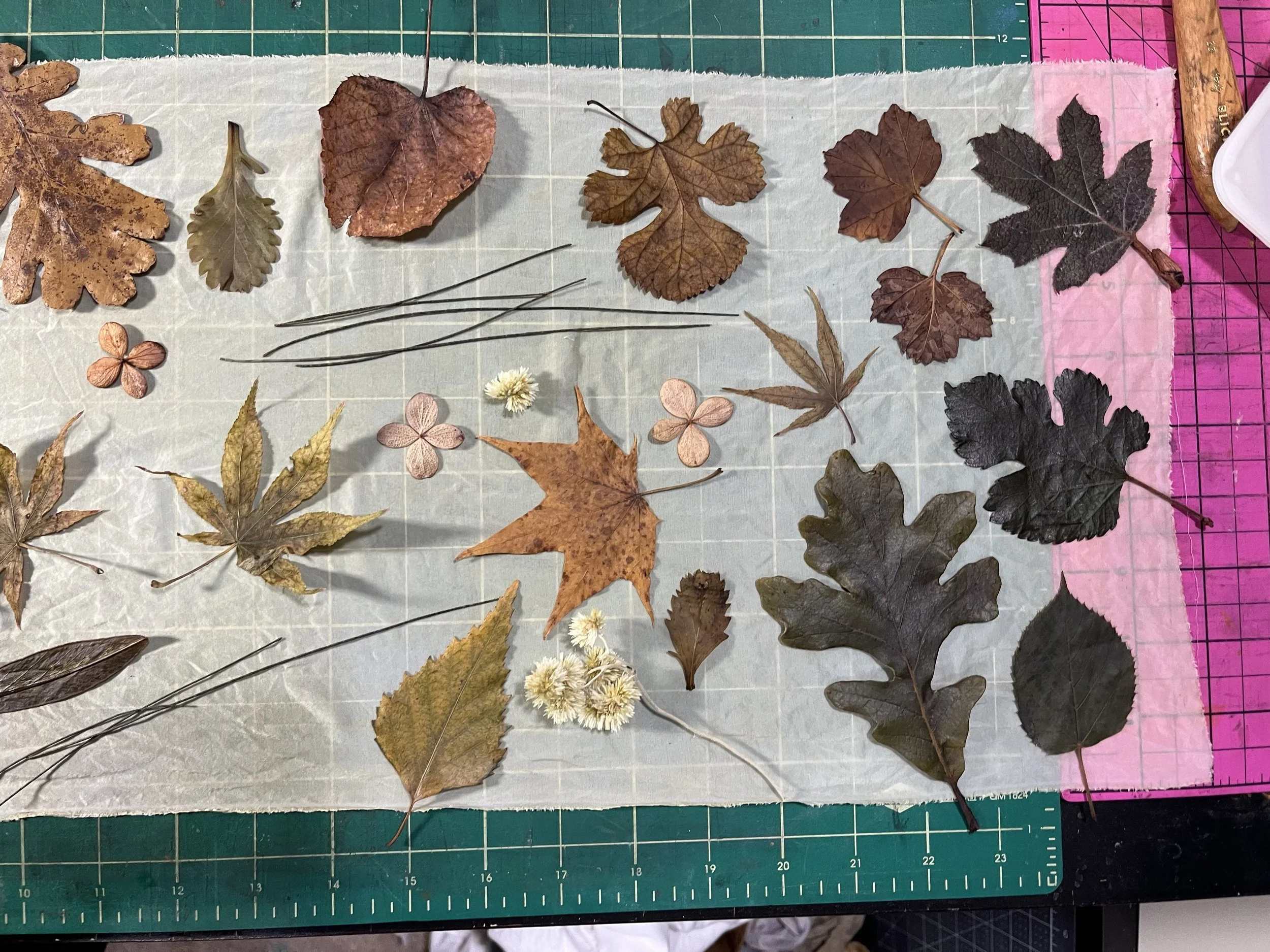
Mulberry, oak, marcela, hydrangea leaves and flowers, sweet gum, wild geranium, ginkgo, scabiosa, birch, hosta, Japanese maple, casuarina, linden, cottonwood, smoke bush.